Posted on September 21, 2026 by Jeremy Harrell
This op-ed was originally published by The Daily Caller on September 18, 2026. Click here to read the entire piece.
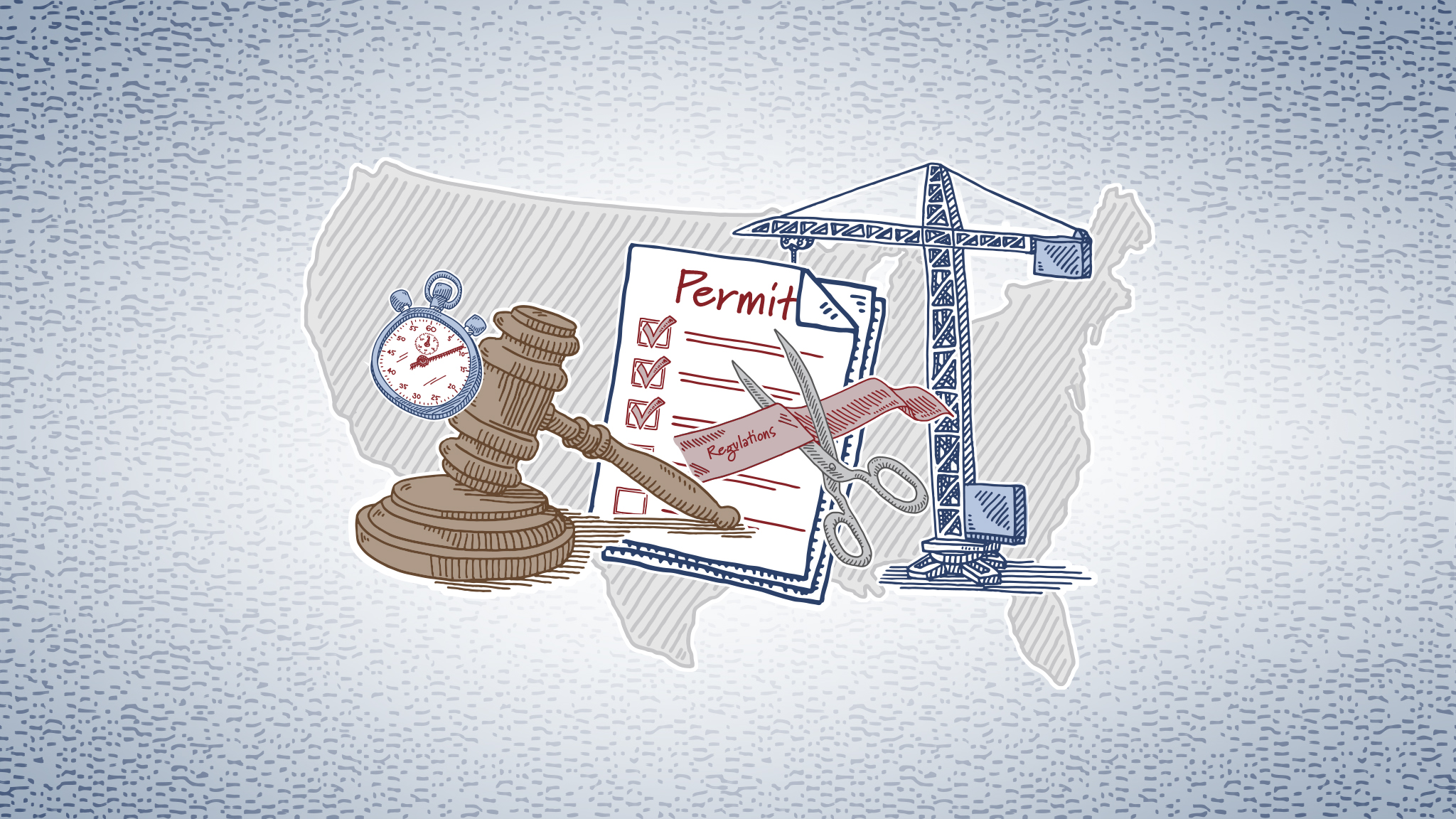
U.S. Senate Majority Leader John Thune just put permitting reform on the Senate agenda before Election Day. This news comes as next week, America’s leading investors, policymakers and energy developers will fill Manhattan for Climate Week NYC to advance the technologies that can meet America’s surging power demand. American innovators are transforming nuclear energy, drilling geothermal wells faster and more efficiently, and bringing once-novel energy technologies closer to commercial reality. While American technology has rapidly improved, our permitting system has not. Fixing that should be at the top of everyone’s agenda.
Wall Street has the money. American innovators have the talent and technology. Customers need the power. What is missing is a permitting system that gives investors the confidence that the government will responsibly approve vital infrastructure projects required to build the next generation of American energy.
The United States knows how to build. It took just five years to build the Hoover Dam, four years to build the Golden Gate Bridge and just over one year to build the Empire State Building. Today, obtaining a transmission line permit takes longer than a college degree.
Permitting in America currently favors those who block over those who build. Delays and hostile litigation keep capital on the sidelines, stifling American innovation and hindering the domestic energy supply chain. Investors already accept genuine risk on construction and first-of-a-kind projects. What they shouldn’t have to accept is a permitting process that piles years of needless uncertainty on top of it.
The SunZia transmission line, a 550-mile high-voltage link carrying power across New Mexico and Arizona, is just one example. It took 18 years of development to bring the project online. Construction took less than three years, while planning, review and litigation consumed 15 years.
Innovation was never the hard part; the bureaucratic process is. Advanced nuclear developers are breaking ground, geothermal companies are drilling wells that would have been unprofitable a decade ago, and carbon capture projects are ready for Final Investment Decisions. What stands between development and deployment is a federal permitting process that grinds critical infrastructure development to a halt and blocks the commercialization of new technologies. Delays that last years make projects more expensive and push critical energy investment overseas, increasing rates and risking U.S. economic and national security.
Click here to read the full article