Posted on September 24, 2026 by Kelsey Grant
America’s first 250 years were built on energy innovation. From the steam engine to shale gas, American ingenuity has consistently unlocked the next generation of affordable, reliable power. As our nation marks this milestone, the next 250 years demand the same ambition.
AI and data centers, efforts to reshore manufacturing, oilfield electrification and energy security needs are all pushing electricity and industrial demand higher. U.S. electricity demand could rise 35–50 percent by 2040, roughly three Texas-sized grids’ worth of new load. That growth creates an opportunity to deploy reliable, affordable, lower-emissions American technologies at scale, and turn rising demand into a lasting American advantage by innovating faster, building more and competing to win globally.
Now in its fifth year, the Carbon Innovation Forum, hosted by ClearPath and the American Petroleum Institute (API), returned to New York Climate Week, to take on that challenge. The Forum brought government leaders, energy executives, emerging technology companies and investors together around one central theme: how American ingenuity, capital and policy can bring the next generation of energy technologies to market and lower energy costs for Americans.
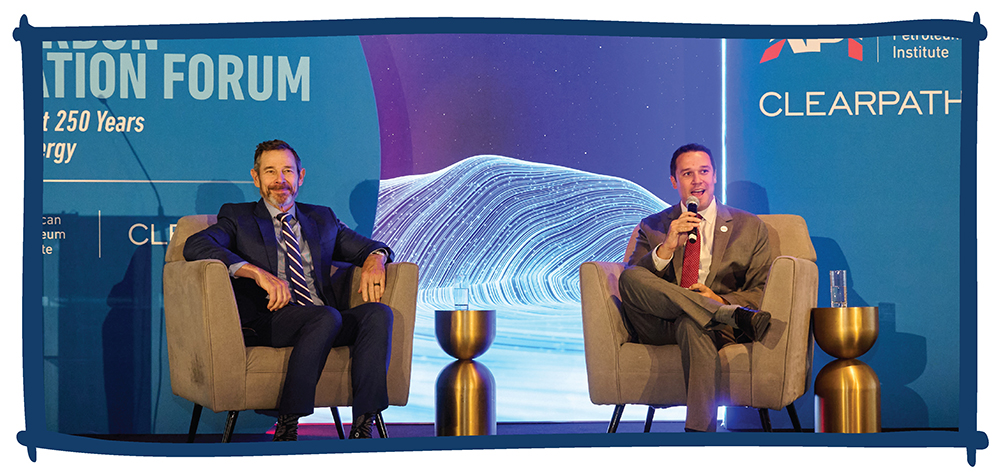
Senator John Curtis (R-UT) joins fireside chat moderated by ClearPath CEO Jeremy Harrell
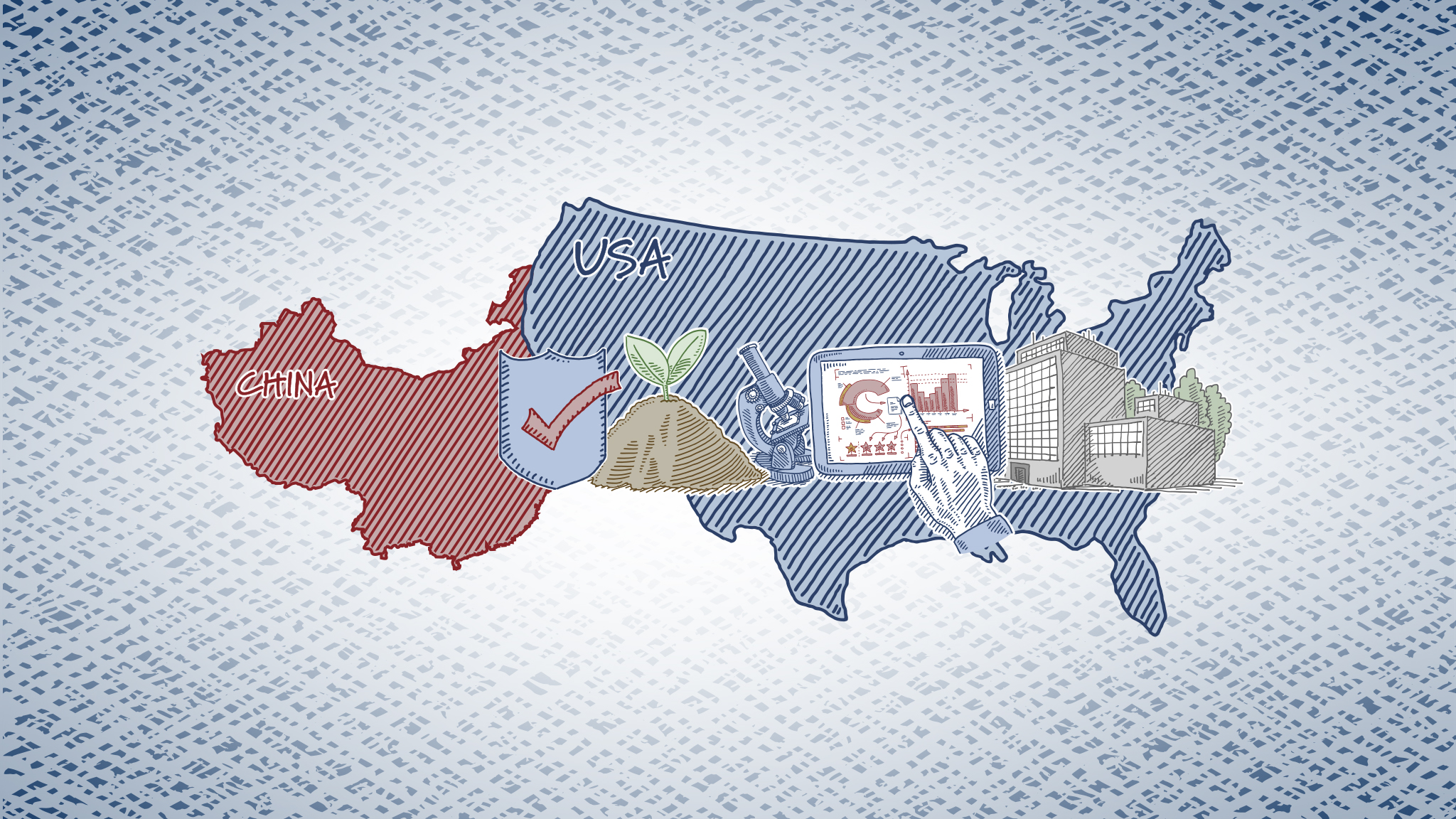
At the start of this century, U.S. power plants generated roughly three times as much electricity as China. Today, China generates more than twice as much as the United States. The gap extends to the materials that underpin energy and manufacturing: America depends entirely on imports for 13 critical minerals, while China leads production of 20 of the 60 minerals the U.S. Geological Survey deems critical and refines an estimated 70% of the world’s strategic minerals.
The United States has the tools to change that trajectory: abundant resources, deep capital markets, world-leading technical expertise and a culture of innovation. Realizing that potential requires pairing those strengths with the right policies, infrastructure and investment.
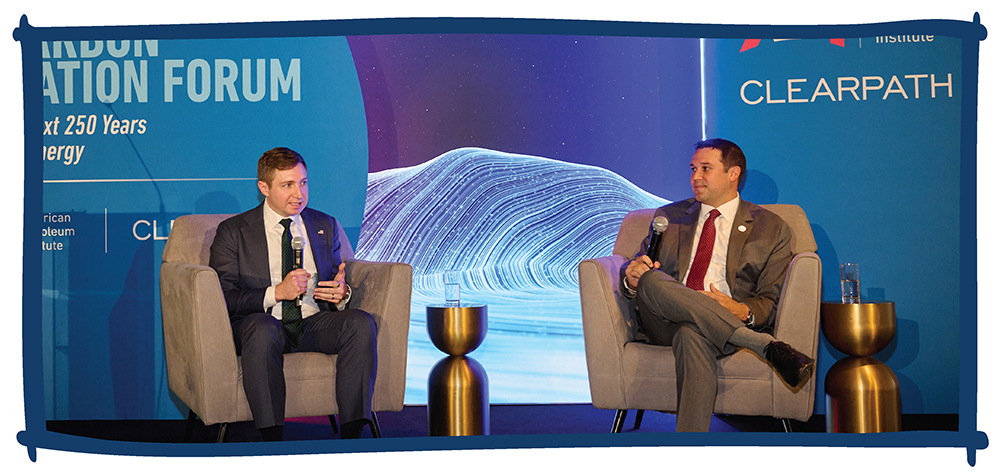
Alex Fitzsimmons, Associate Deputy Secretary of Energy, U.S. Department of Energy, joins a fireside chat moderated by ClearPath CEO Jeremy Harrell
There is a model for this transformation. In less than a decade, the United States went from loading its first liquified natural gas (LNG) export cargo to becoming the world’s leading LNG exporter, demonstrating what is possible when American engineering, capital, infrastructure and policy move together. U.S. LNG liquefaction capacity is expected to more than double from 2025 levels by 2029, with additional projects planned and under construction.
Liquefied U.S. Natural Gas Exports
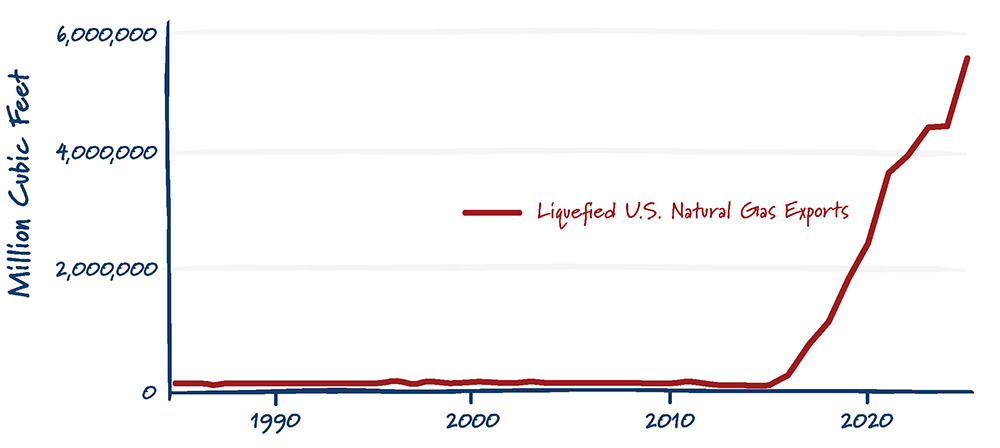
Source: Energy Information Agency
That growth was made possible by the shale revolution, enabled in part by decades of U.S. Department of Energy (DOE) research and public-private partnerships that advanced technologies such as hydraulic fracturing and horizontal drilling before industry scaled them.
That model can help unlock the next generation of American energy technologies, from advanced nuclear and next-generation geothermal to critical minerals and carbon capture. The priorities are straightforward: meet rising demand with American energy, modernize infrastructure and supply chains, mobilize capital and turn American innovation into global leadership.
Energy security begins with making better use of the resources, expertise and infrastructure the United States already has. The oil and gas industry has spent decades building world-leading capabilities in geology, drilling, subsurface engineering and carbon management. Enhanced oil recovery (EOR) already shows how that expertise can increase energy production, using captured carbon dioxide (CO2) and pipelines to recover additional oil from mature fields. The same infrastructure and subsurface capabilities can support emerging approaches such as enhanced mineral recovery (EMR), helping recover critical minerals from domestic deposits and unlocking new markets. Scaling both EOR and EMR will require more captured CO2 and the pipelines to move it.
The first shale revolution cemented America as an energy superpower. The next can apply that same subsurface expertise across oil and gas, critical minerals and emerging resources to increase domestic production, strengthen supply chains and reduce dependence on foreign competitors.
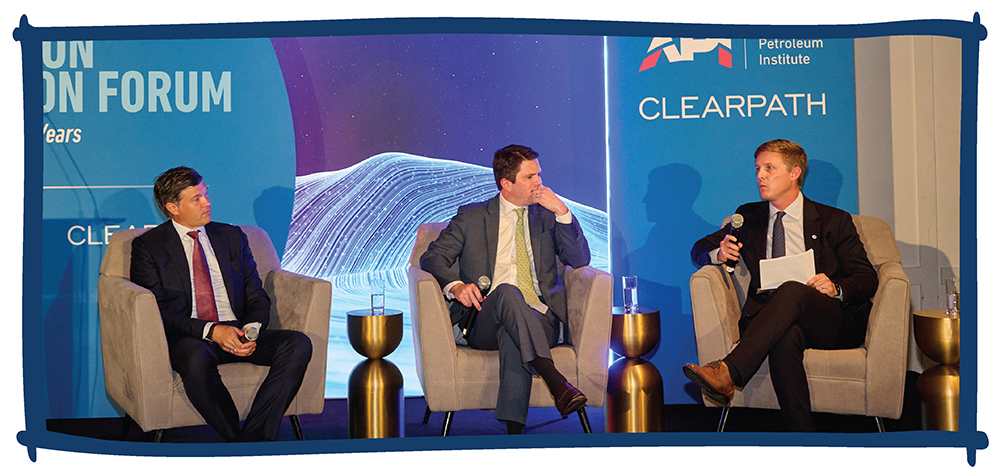
Andy Rapp, Senior Advisor to the Secretary of Energy, U.S. Department of Energy, and Will Jordan, Chief Legal and Policy Officer, EQT Corporation, join a fireside chat moderated by API Vice President of Natural Gas Rob Jennings.
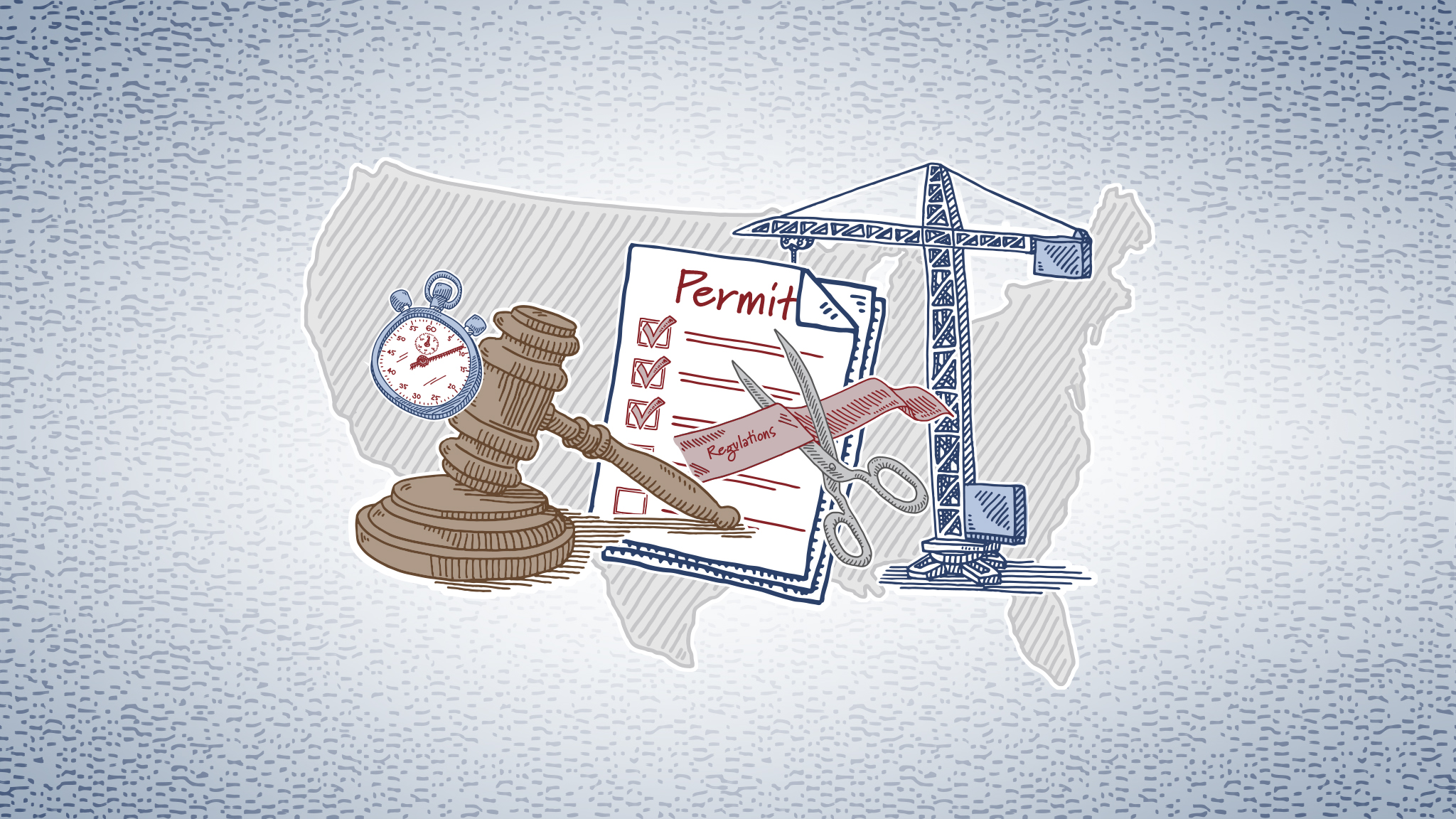
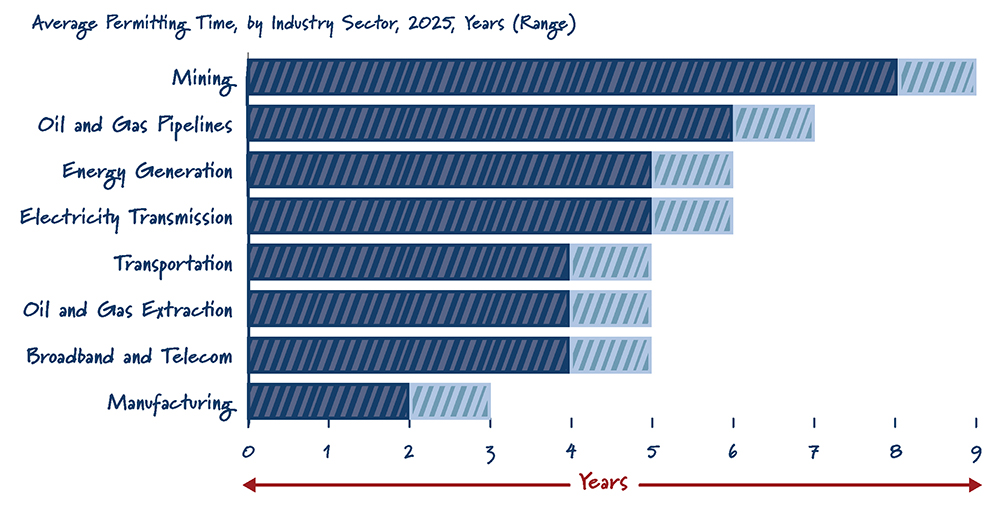
No single step would do more to let America build than modernized permitting. Electricity and industrial demand are growing faster than the transmission and pipeline systems built to serve them can expand, while the rapid buildout of AI and data centers is placing even greater pressure on existing networks.
Weighted Average Permitting Time for Projects Varies by Sector
Source: BLM NEPA National Register; Breakthrough Institute; Columbia University; USFS NEPA Database; Council on Environmental Quality; EIS Length Database; Federal Permitting Dashboard; Federal Permitting Improvement Steering Council: Baseline Performance Schedules; Federal Register: Section 404 Permits; Government Accountability Office; Federal Energy Regulatory Commission; NOAA: EFH Consultation; PNAS; Stanford University; University of Utah; McKinsey & Company
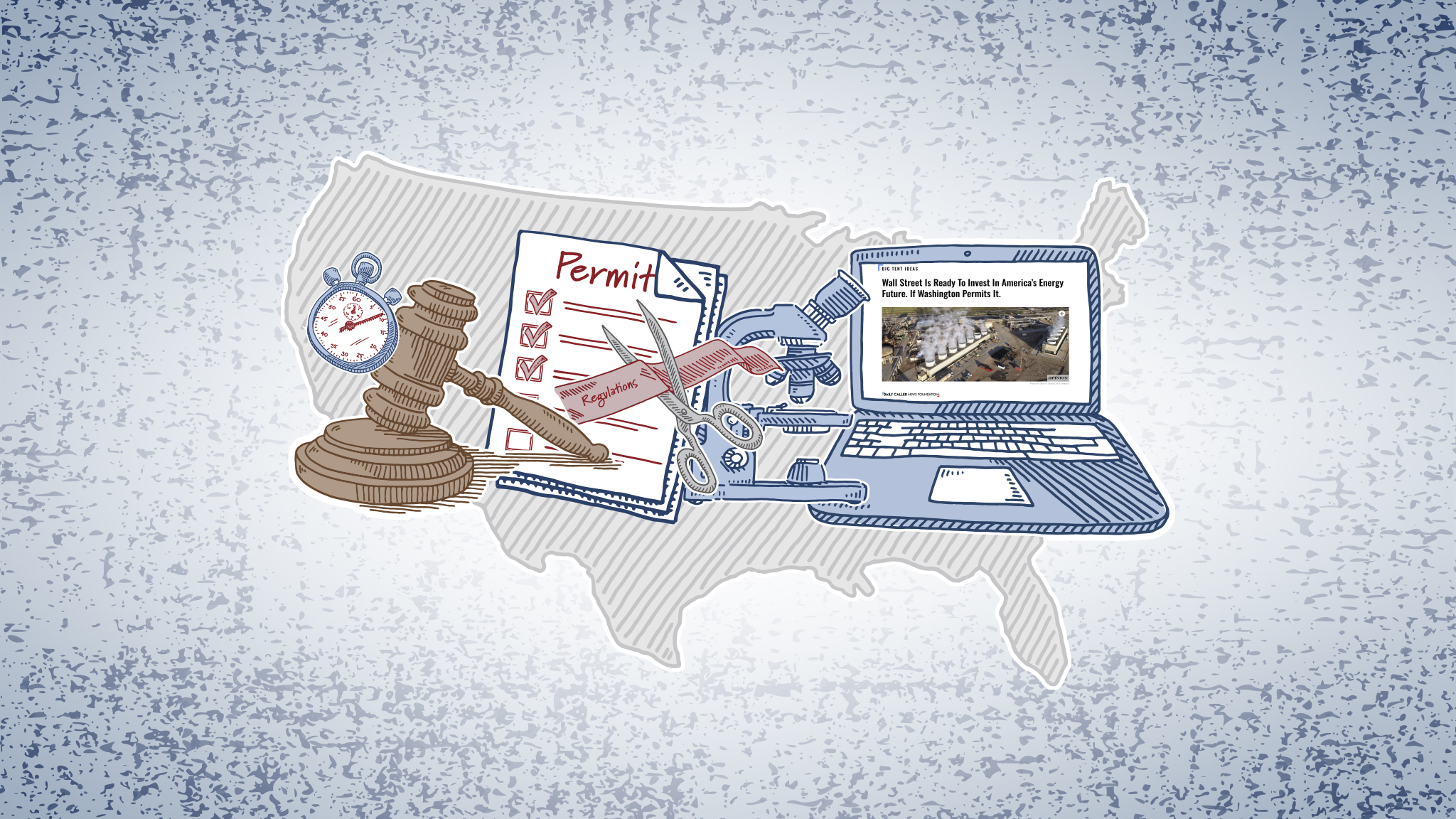
Closing that gap will require developers, regulators, utilities, pipeline operators and hyperscalers to expand and modernize transmission lines and pipelines at the pace demand requires. Permitting is central to that effort. Too often, lengthy and unpredictable processes stand between a viable project and construction, making durable permitting reform essential to building the infrastructure America needs.
Innovation only matters if promising technologies can reach commercial scale, which requires capital at every stage. Recent initial public offerings by companies such as advanced nuclear firm X-energy and geothermal developer Fervo Energy suggest that markets increasingly see these technologies as serious, scalable responses to rising energy demand.

Jeff McClure, Senior Advisor in the Office of Energy Dominance Financing, U.S. Department of Energy, and Tim Latimer, CEO, Fervo Energy, join a panel moderated by Hillary O’Brien, Managing Director of Clean Power, Natural Resources and Research at ClearPath.
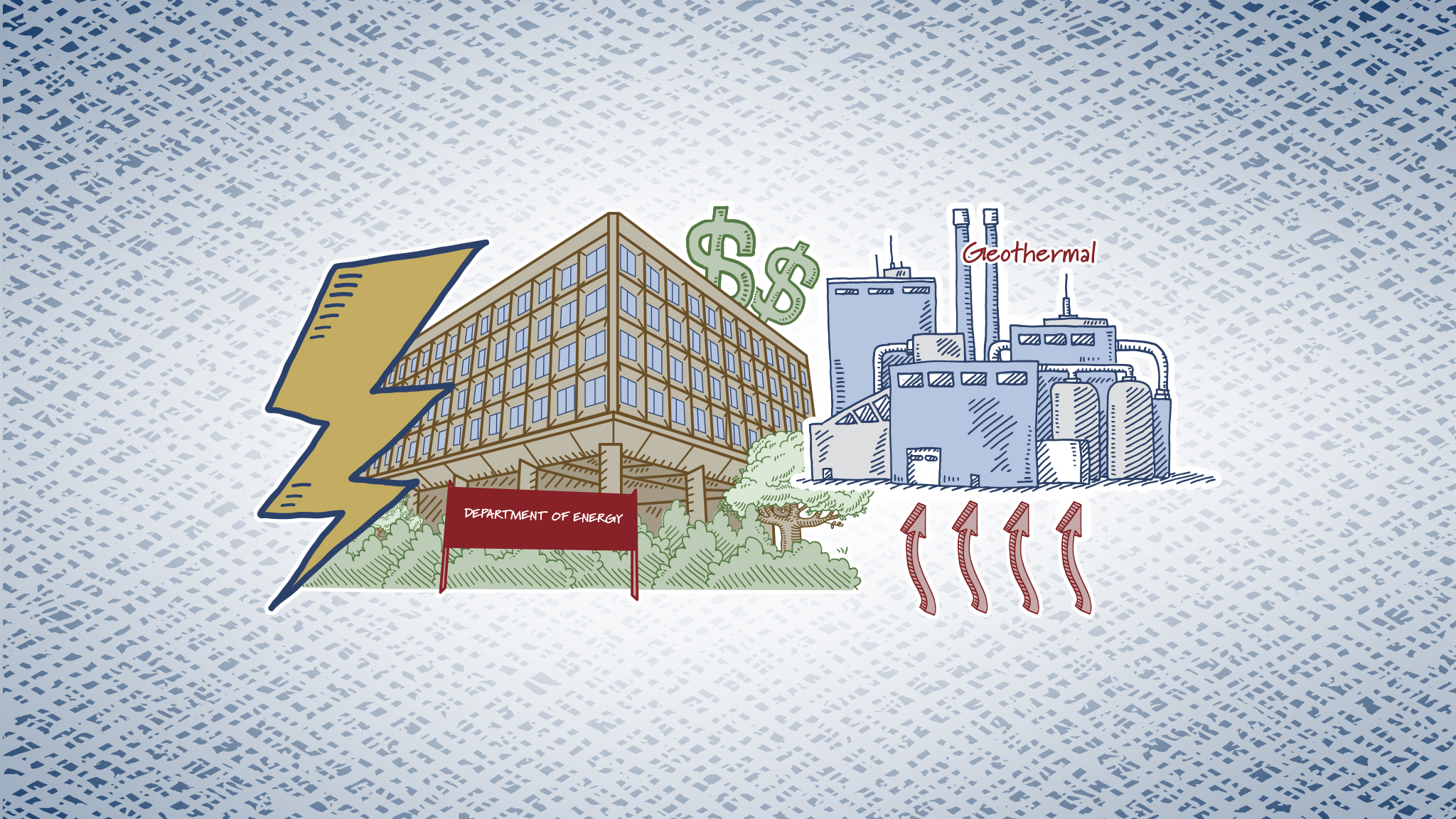
The next challenge is strengthening the pathway from early-stage investment to commercial deployment and public markets. Private capital will remain essential, while federal financing and well-designed public-private partnerships can help reduce risk, support first-of-a-kind projects and attract additional investment. DOE’s Office of Energy Dominance Financing is already playing that role. This year, EDF announced a $17.5 billion conditional loan commitment to accelerate the deployment of 10 large-scale nuclear reactors while leveraging significant private equity from project sponsors.
Rising energy demand presents a generational opportunity for the United States to innovate fast, build here in America, and sell technologies globally. Doing so will require producing more resources at home, building the infrastructure to move energy where it is needed, giving investors the certainty they need to mobilize capital and scaling American technologies at home and abroad.
Thanks to our speakers: Senator John Curtis (R-UT); Alex Fitzsimmons, Associate Deputy Secretary of Energy, U.S. Department of Energy; Andy Rapp, Senior Advisor to the Secretary of Energy, U.S. Department of Energy; Jeff McClure, Senior Advisor, Office of Energy Dominance Financing, U.S. Department of Energy; Former Rep. Ryan Costello (R-PA); Savita Bowman, Program Director – Advanced Manufacturing and Carbon Innovation, ClearPath; Neil Chatterjee, Chief Government Affairs, Palmetto; Kristian Schmidt Clausen, Investment Director, AIP Management; John Dabbar, Executive Director, National Petroleum Council; Gavin Dillingham, Executive Advisor, Federal Affairs, SLB; Vishal Gupta, President & Manager, Oxy EOR Ventures; Cameron Halliday, Co-Founder and CEO, Mantel; Jeremy Harrell, CEO, ClearPath and ClearPath Action; Ariel Horowitz, Data Center Energy Lead, Anthropic; Rob Jennings, Vice President of Natural Gas Markets, API; Will Jordan, Chief Legal and Policy Officer, EQT Corporation; Ashley Kang, Senior Director, External Affairs & Communications, Grid United; Tim Latimer, CEO, Fervo Energy; Courtney Loper, Head of Government Relations and Public Affairs, EQT Corporation; Sasha Mackler, Senior Vice President, Global Head of Strategy, ExxonMobil Low Carbon Solutions; Nicholas McMurray, Managing Director – International and Nuclear Policy, ClearPath; Hillary O’Brien, Managing Director – Clean Power, Natural Resources and Research, ClearPath; Aaron Padilla, Vice President of Corporate Policy, API; Todd Schaef, Chief Scientist, Pacific Northwest National Laboratory; Josh Siegel, Energy Reporter, POLITICO; Amos Snead, Founder and CEO, The DUX Group; Jack Thirolf, Head of Public Policy and External Affairs, NET Power; Alexei Viarruel, Executive Director, Power & Renewables Investment Banking, J.P. Morgan; and Rebecca Winkel, Director, Climate & Sustainability Policy, API.