Posted on September 25, 2026 by Reagan Reese
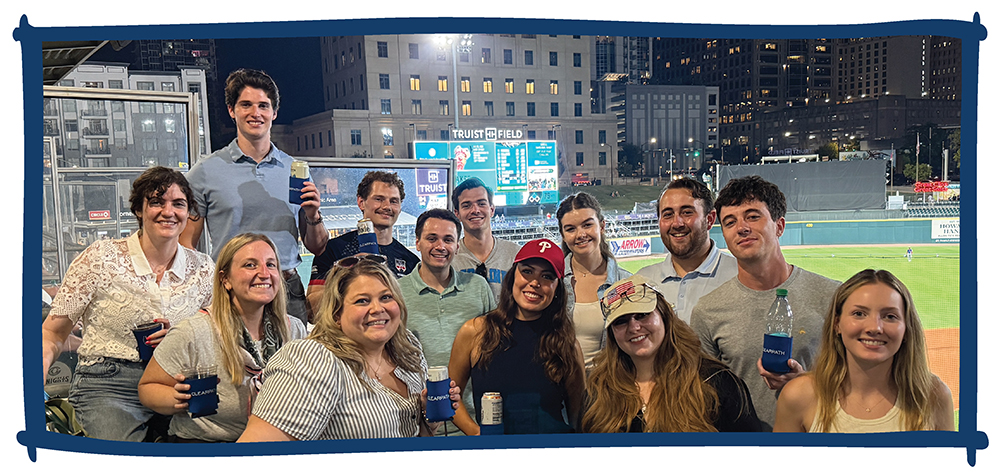
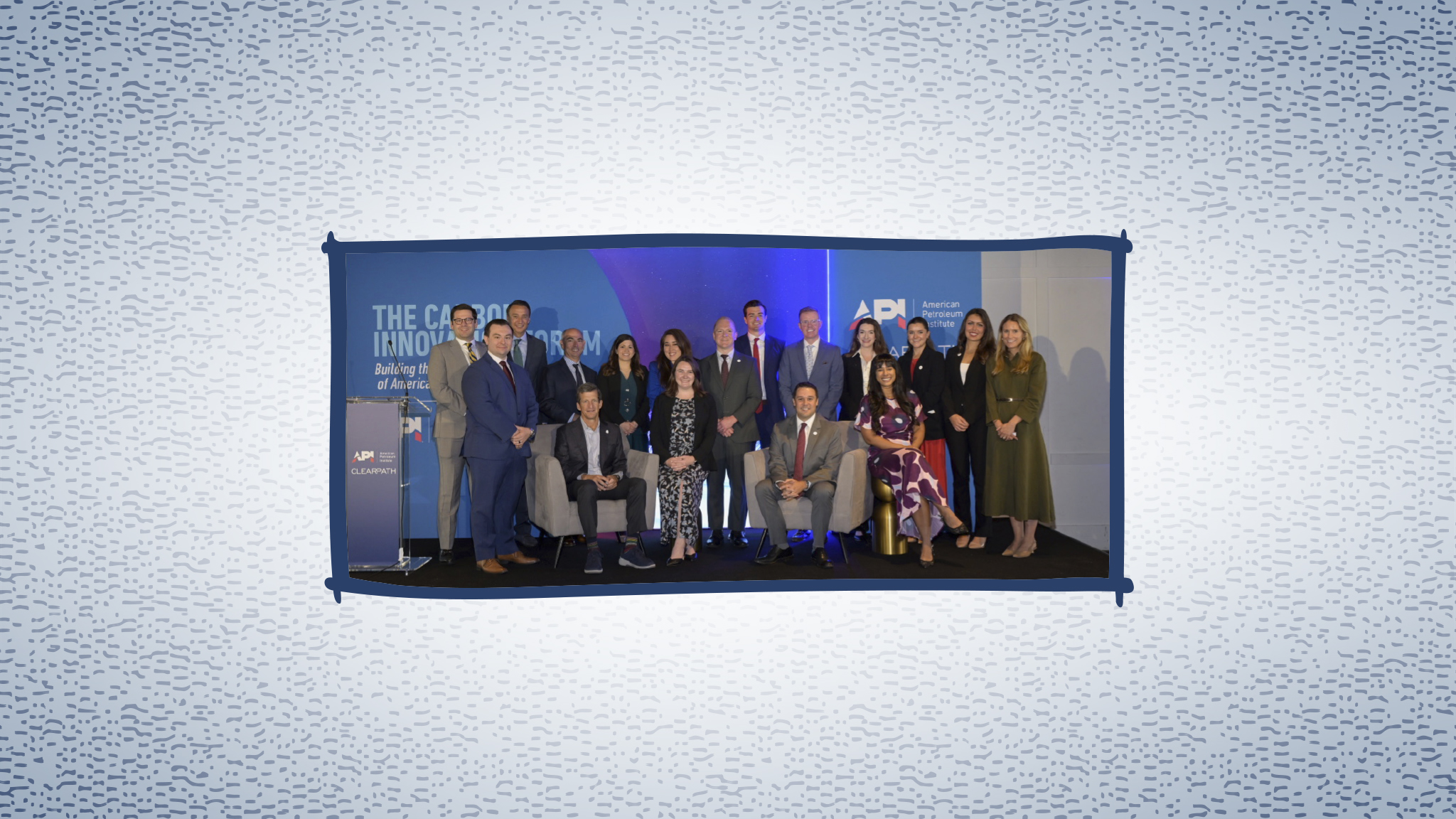
To meet growing energy demand, America needs to build more than it has in a generation, and the policy that gets it there will be shaped by people who understand how building actually happens. That is the idea behind ClearPath’s Conservative Leadership Program (CCLP), which brought nine fellows to Charlotte, North Carolina for its second annual retreat. Over three days, fellows toured a lithium mine and a turbine factory and worked on the leadership skills they will need in Washington. At both stops, the lesson was the same: what happens in Washington decides how fast America builds.
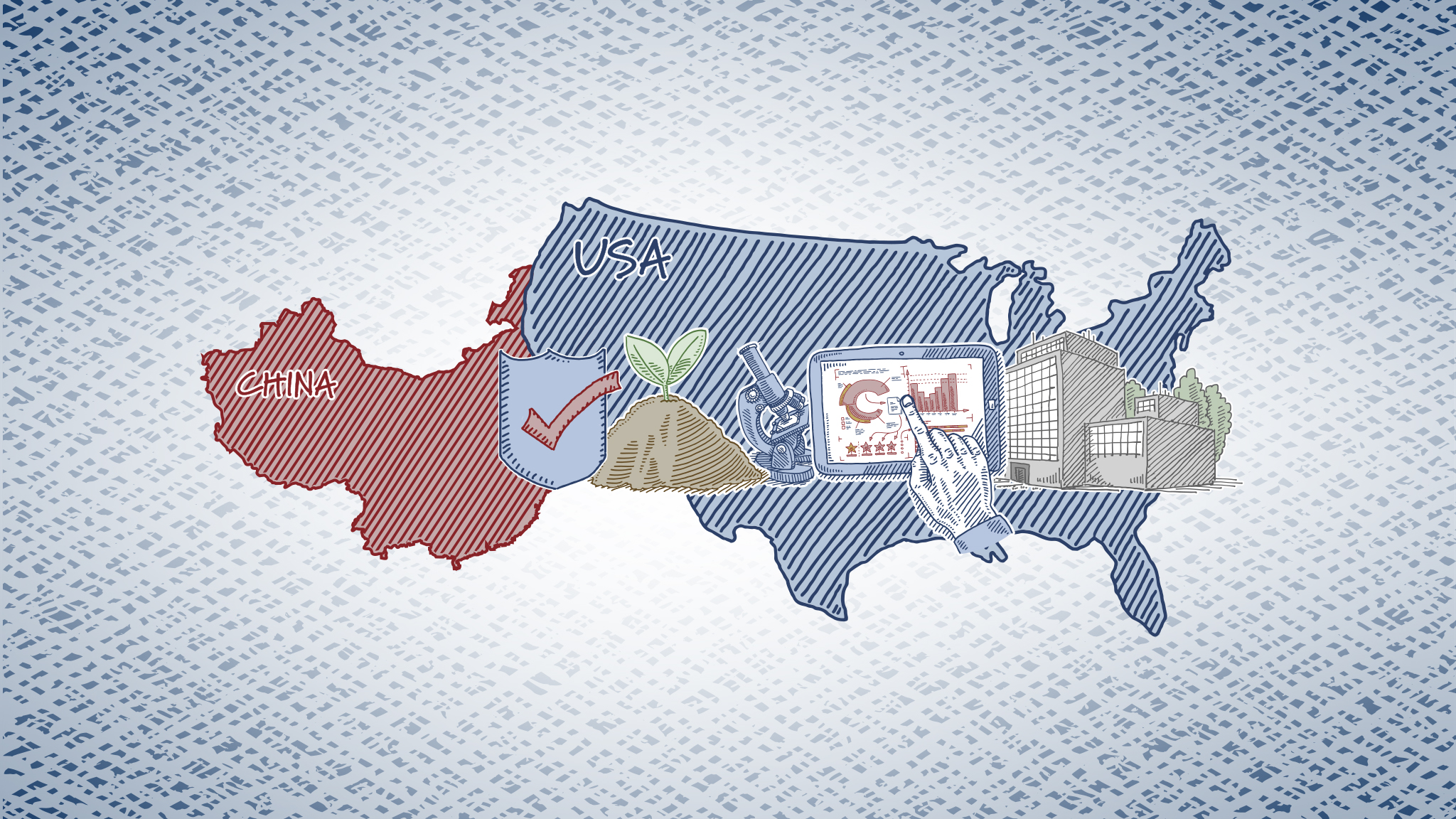
Every energy, critical minerals and infrastructure project starts with permitting. CCLP’s fellows started their visit at Albermarle’s Kings Mountain lithium mine, a site that supplied American lithium for decades before it went quiet in the late 1980s. Albemarle is bringing it back to meet the growing need for a domestic critical minerals supply chain. As a FAST-41 covered project, Kings Mountain’s federal environmental reviews were coordinated by the Permitting Council, and listed on the Permitting Dashboard for transparency. The visit began with Albemarle walking them through how the mine navigated the process.
Albemarle’s lithium mine in Kings Mountain is projected to produce roughly 420,000 metric tons of spodumene concentrate each year, the raw input for a domestic battery supply chain that currently depends heavily on overseas production. When federal reviews are coordinated and tracked in public, projects like Kings Mountain can move. The task for Congress is making that the norm, not the exception.
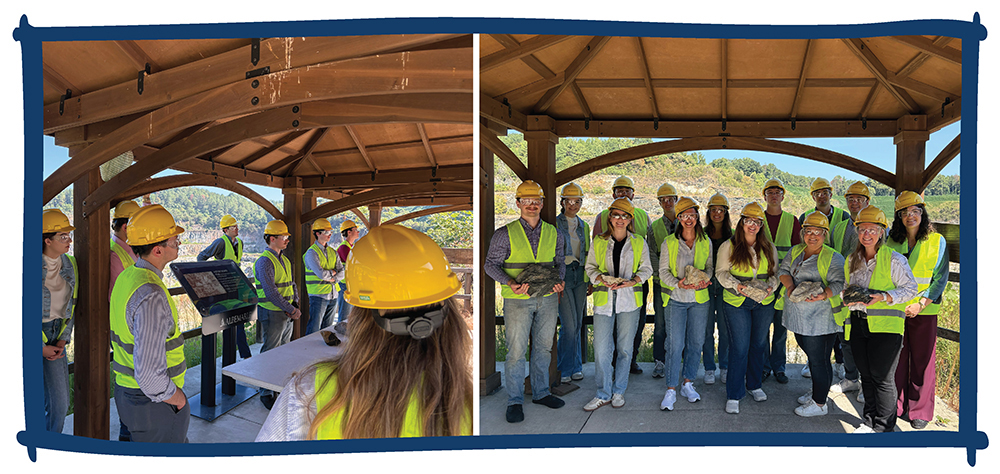
For the Congressional fellows, the visit connected directly to their day jobs. “I appreciated ClearPath taking the time to make this retreat happen and focus on allowing the CCLP fellows to develop more practical understandings of the energy policy we’re working on in Congress,” said said Max Morgan, one of CCLP’s Congressional fellows. CCLP doesn’t just prepare fellows for the work they will do in the future, but for the work they are doing in Washington right now.
At Siemens Energy’s Charlotte hub, Project Engineer Mike Ellis walked the group across the floor where gas turbines, steam turbines, large generators and combustion components are built – machines that will spend decades putting power on grids here and abroad. This part of the supply chain rarely gets attention in Washington, but it is where rising electricity demand meets real manufacturing capacity. Meeting that demand means building here and selling globally, and factories like this one are how America does both.
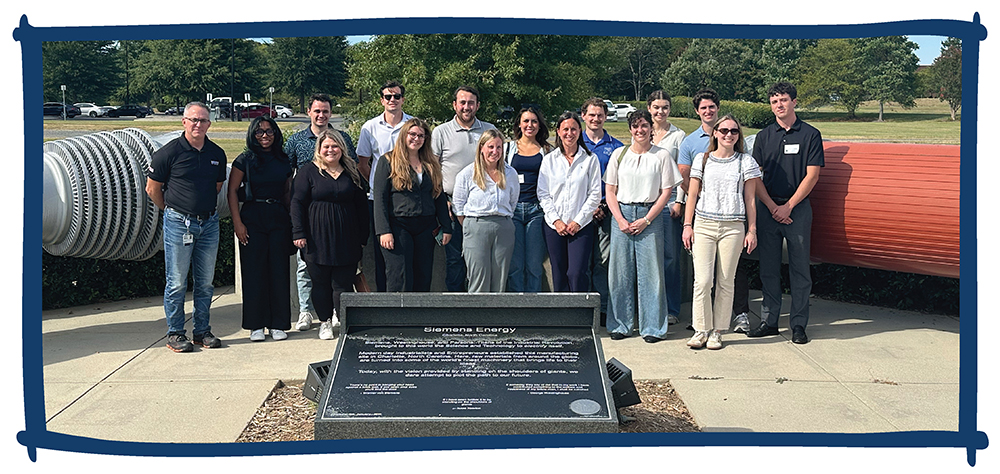
CCLP is designed with the idea that professional development is a key driver in producing the next generation of clean energy champions. The professional skills fellows build in the program are the same skills that will serve them throughout their careers.
“A big part of CCLP is building a network, not just creating individual fellowship experiences,” said Dana Faught, Director of CCLP. “The retreat gives us dedicated time to invest in them professionally, expose them to parts of the energy space they may not see in their current roles, and help them build relationships with each other.”
Part of that investment came through the SHINE Leadership Accelerator with Nicole Greer, who told the cohort her goal was personal transformation, not a presentation. She asked fellows to start with one question: “What is it like to experience me?” Each fellow charted the highs and lows that shaped them and shared those stories with the group.
Greer also described the concept of “willingness” throughout the sessions during the retreat, and directly tied it to the fellows’ work in energy and in Congress.
“Moving legislation and policy forward can require Plan A, Plan B and sometimes Plan Z,” Greer said. “You have to develop resilience, persistence and, there’s that word again, willingness.”
Plenty of organizations offer young professionals a seat at the table, but fewer take them to the steel-in-the-ground where that policy work becomes real. ClearPath does both.
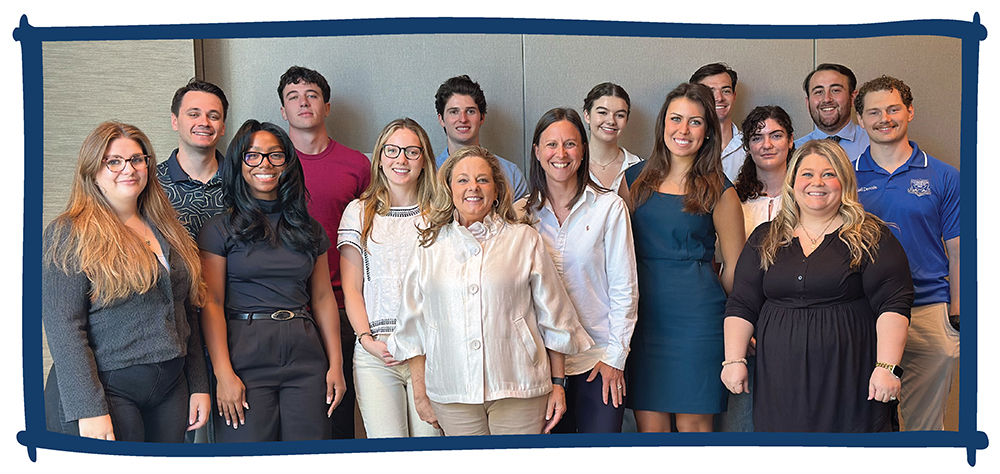
In Charlotte, fellows saw what it takes for America to build again: a lithium mine returning after decades offline, and a factory floor turning out the turbines and generators that keep the lights on. As they take on bigger roles in Washington and across the energy sector, they’ll bring that experience with them. That’s the point of CCLP – making sure the people who help decide how fast America builds have already seen what building requires.