Posted on October 1, 2026 by Jeremy Harrell
Congress is one step closer to solving one of the most consequential questions in energy policy: how long it takes to build infrastructure projects in America. At this time of surging energy demand, Congress has a clear path to deliver on years of bipartisan work and lower energy costs for Americans.
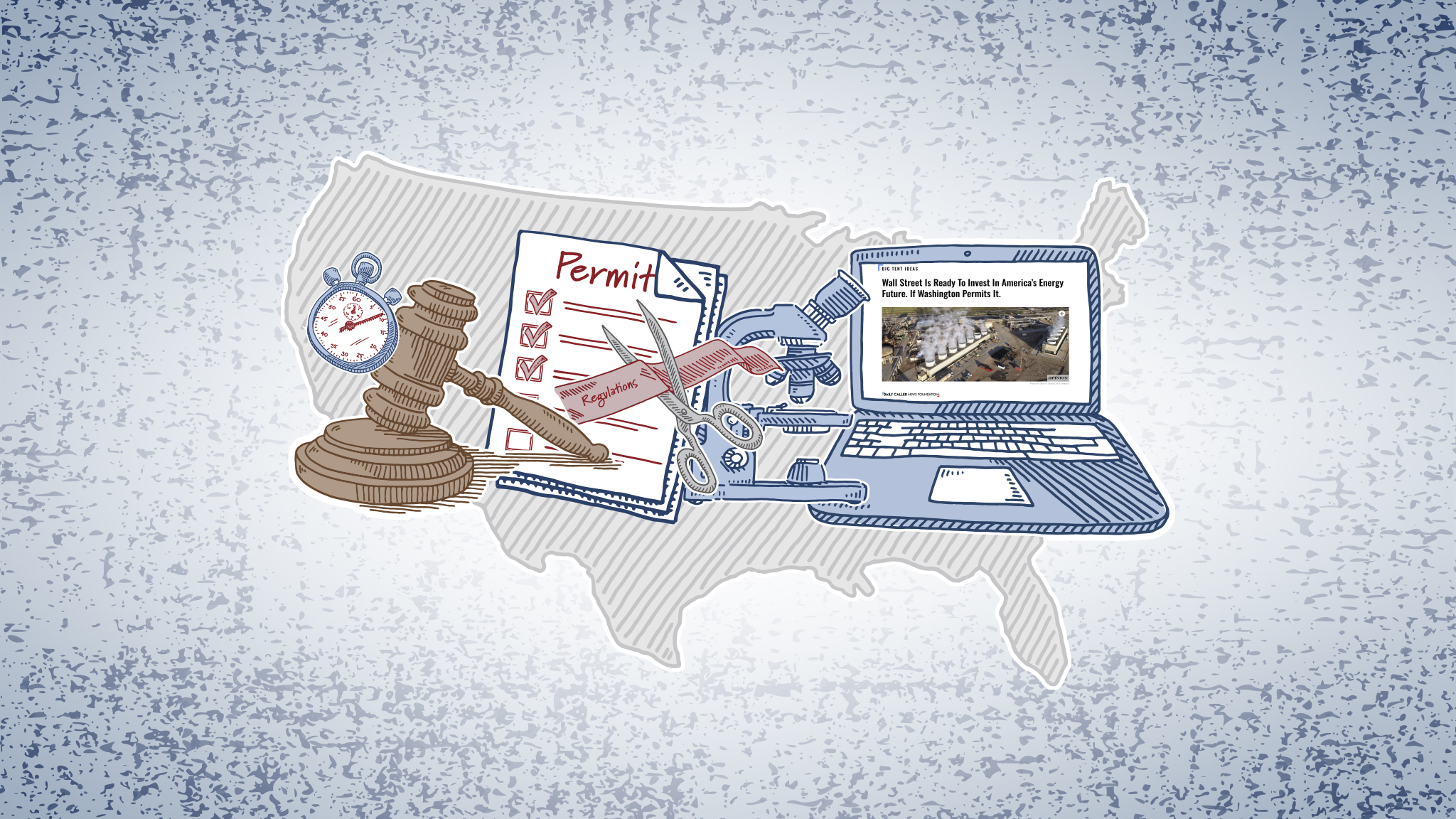
This week, Senate negotiators released the Bipartisan American Affordability and Jobs Act of 2026, a comprehensive permitting package designed to make the federal review process faster, more predictable and more transparent. If enacted, it will transform our current federal permitting system into one that is prepared to meet the needs of America’s economy.
McKinsey estimates that more than $1 trillion in infrastructure investment is tied up in the federal permitting process. Our permitting system was designed to protect the environment, not prevent America from building. Yet, a maze of delays and uncertainty holds back energy production, critical mineral supply chains, manufacturing and the grid infrastructure that connects them.
This permitting reform bill could change that. By setting clear rules that apply across technologies, permitting decisions will move away from picking winners and losers. That kind of durability gives investors the confidence to commit capital to building in America.
The Senate proposal doesn’t start from scratch. It builds on bipartisan work from last Congress in the Energy Permitting Reform Act, retains key elements from the House-passed SPEED Act, and includes long-needed reforms for mineral processing, transmission lines and geothermal energy. In some cases, common-sense solutions to long-standing bottlenecks were percolating more than a decade ago when I was in government.
Nowhere is the urgency clearer than the electric grid. The bill will codify ratepayer protections from data infrastructure costs while ensuring America can build the transmission it needs to support its growing economy. It introduces new planning processes to let American energy move across regions and enhances states’ oversight of transmission to protect consumers. New directives will accelerate deployment of innovative grid technologies that can optimize the performance of the grid: unlocking capacity, enhancing efficiency and bolstering reliability.
Past Permitting Timelines
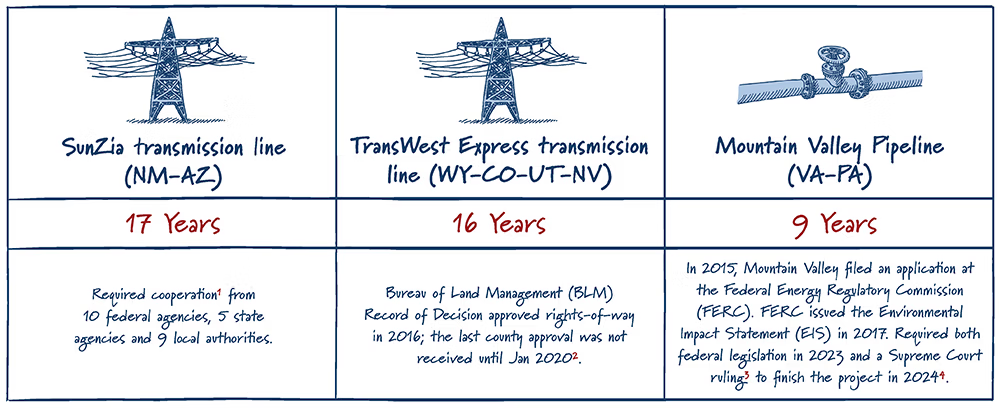
Sources: 1. Renewable Energy World, 2. Trans West Express, 3. Scotusblog, 4. Mountain Valley Pipeline
A grid that cannot bring new generation and transmission online fast enough to meet that demand means higher bills, not lower ones. Transmission projects alone have spent an average of 4.3 years in federal environmental review, including some for more than a decade. The bill remedies this by setting clear, enforceable timelines to complete reviews and creates a more navigable path from application to approval for all types of energy.
Consistent with the principles outlined by the Supreme Court in the Seven County case, the bill will reform a judicial review system that previously allowed opponents to tack years onto approved projects through litigation. While the bill preserves the ability to challenge permits for those who participated in the process, it clarifies the requirement to file suits and ensures any issues are directly addressed, rather than starting over from scratch. These reforms would deliver the kind of certainty developers need once permits have been issued rather than gambling on whether a permitted project might still be revoked by litigation or political pressure years down the road.
Targeted reforms to the Clean Water Act, Endangered Species Act and National Historic Preservation Act will streamline regulatory reviews while maintaining proper environmental protections. This is accomplished by making sure water quality certifications, endangered species and historic preservation consultations have a clearly defined scope of review and a deadline for completion. The result is a permitting system that maintains robust environmental protections while ensuring reviews are timely, defined and transparent.
Most importantly, this framework is built to last. By clearing barriers that have stalled major infrastructure projects for decades, Congress now has the opportunity to let America do what it does best: innovate fast, build here and sell globally. These provisions offer a blueprint to bring down costs, modernize the grid and put American energy to work. That’s how America builds, and how American energy moves.