Posted on November 19, 2026 by Justin Williams and Holly Mason
Global energy demand is rising fast. Data centers, advanced manufacturing and industrial growth are straining power systems worldwide, and America’s allies are searching for firm power, secure fuel and supply chains they can trust. American energy innovation is how America and its allies will meet that demand with affordable, reliable and clean energy.
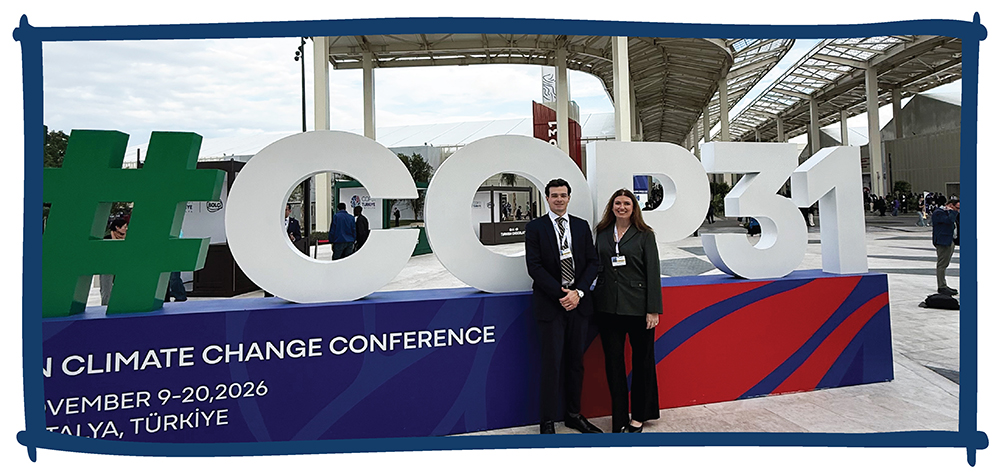
ClearPath made the case for American energy leadership at the 31st Conference of the Parties (COP31) in Antalya, Türkiye. Central to that work was ClearPath’s partnership on the ground with the Conservative Climate Foundation (CCF), which led a congressional delegation to COP31 to ensure conservatives helped drive discussions on a practical approach to the future of energy and climate. Conversations spanned many parts of the energy ecosystem. ClearPath participated in business forums in the COP31 Blue Zone, talks on bilateral industrial partnerships, roundtables supporting American liquefied natural gas (LNG) exports, and events promoting energy security and innovation.
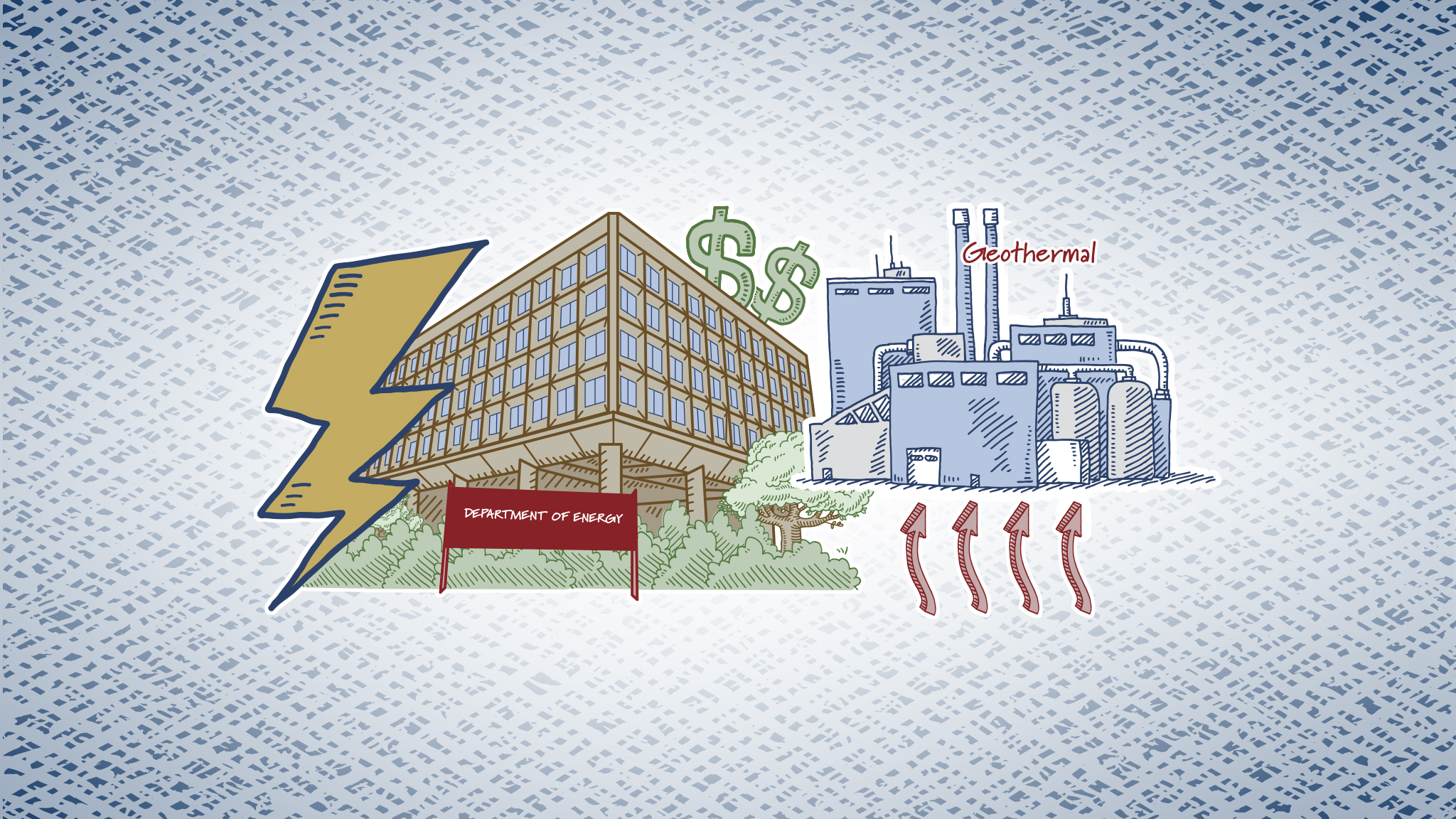
This year’s gathering took place against the backdrop of major U.S. progress in developing and deploying the next generation of energy technologies, along with a growing recognition that the countries that export them will shape energy markets for decades. From geothermal to nuclear and everything in between, America leads by innovating quickly, building domestically and selling globally.
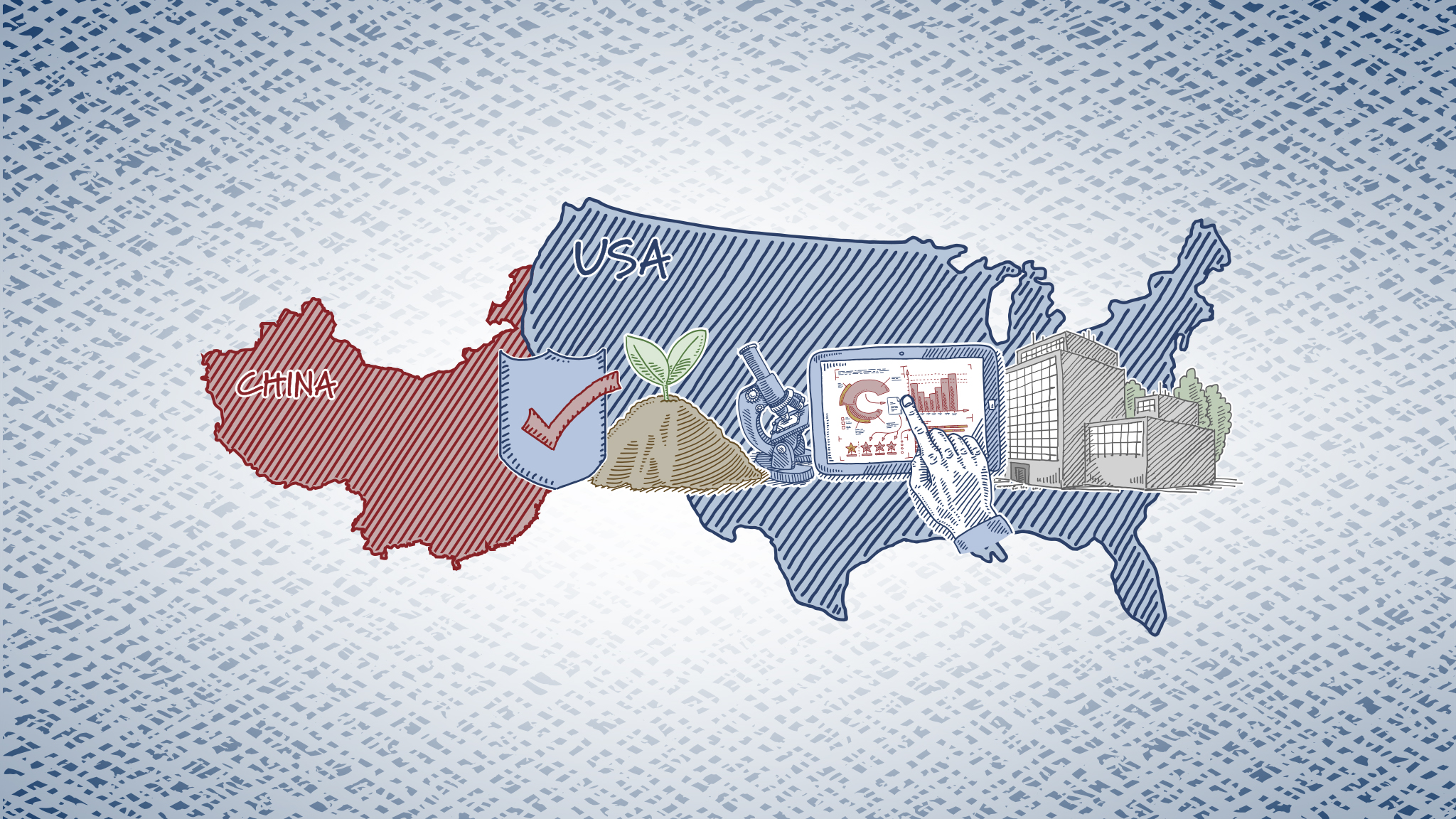
With U.S. competitors controlling key supply chains, advancing American energy interests is an even greater priority. China is using state-directed financing to develop its energy industry and secure partnerships that will cement its own technologies as the global standard. To lead, the U.S. must adopt smart domestic and international energy policies that advance innovation and unlock large-scale infrastructure development.

ClearPath elevated these issues on the international stage by leading a roundtable in partnership with CCF on policy tools to advance American energy dominance. Hosted by ClearPath’s Government Affairs Director Emily Henn and Policy Advisor Justin Williams, the discussion brought together the congressional delegation and key industry partners. A strong, competitive Export-Import Bank of the United States (EXIM) was a recurring theme throughout. Reauthorizing the Bank before its charter expires at the end of the year is a critical first step toward that end. Key takeaways included the call for better coordination of the U.S. government finance tools scattered across the interagency. The roundtable highlighted the concept of Energy Security Pacts, proposed in the DOMINANCE Act, as a potential way to deliver that coordination and give allies a reliable alternative to state-directed Chinese finance.
Beyond finance, conversations ranged across various forms of energy and manufacturing, including nuclear, LNG, geothermal, critical minerals and advanced steelmaking. The common thread was how the U.S. can bring the next generation of energy technologies and advanced manufacturing to the rest of the world. Deploying these technologies drives economic growth and job creation at home, secures supply chains and strengthens global energy security, all while advancing the innovation that will slash emissions.
Clean energy innovation lowers global emissions, but it is also a vehicle for national security and competitiveness. The right domestic and international policies will help ensure that America is the world’s leading energy technology provider, giving allies a way to build energy infrastructure without relying on Chinese investment. America has the technologies, talent and ingenuity to lead. Now is the time to turn that advantage into affordable, reliable and clean energy at home and around the world.