Posted on April 16, 2026 by Matthew Mailloux and Jackson Blackwell
Next-generation geothermal power production just achieved a major milestone: bankable project financing. Years of increasing momentum behind the industry have now translated into the gold standard for private capital: financing for projects based on expected project performance. The upward trend of record federal lease sale revenues, more than $1.5B in private capital raised in the past five years, and an ever-increasing appetite for firm, always-on power are driving tremendous interest across the sector. These developments place the technology on the path to meeting the most ambitious expectations, like those issued by the U.S. Department of Energy, forecasting more than 90 gigawatts of potential generation by 2050. This story of American innovation is alive and well – and only accelerating.
ClearPath joined J.P. Morgan and the Enhanced Geothermal Systems Deployment Coalition (EGS DC) in March to convene policymakers, developers, hyperscalers and legacy oil and gas companies at a pivotal moment for the industry. The takeaway was clear: geothermal is technologically mature–and now policy and capital must keep pace.
Across the discussion, there was broad alignment that geothermal is at an inflection point. The technology is working, and demand is accelerating – particularly from data centers, advanced manufacturing and efforts to bolster American energy security. Oil and gas companies highlight that American drilling expertise is well-equipped to respond to the geothermal revolution, while technology pioneered during the shale revolution and our skilled workforce ensure a strong position as geothermal energy continues to gain steam.
Three challenges came up repeatedly.
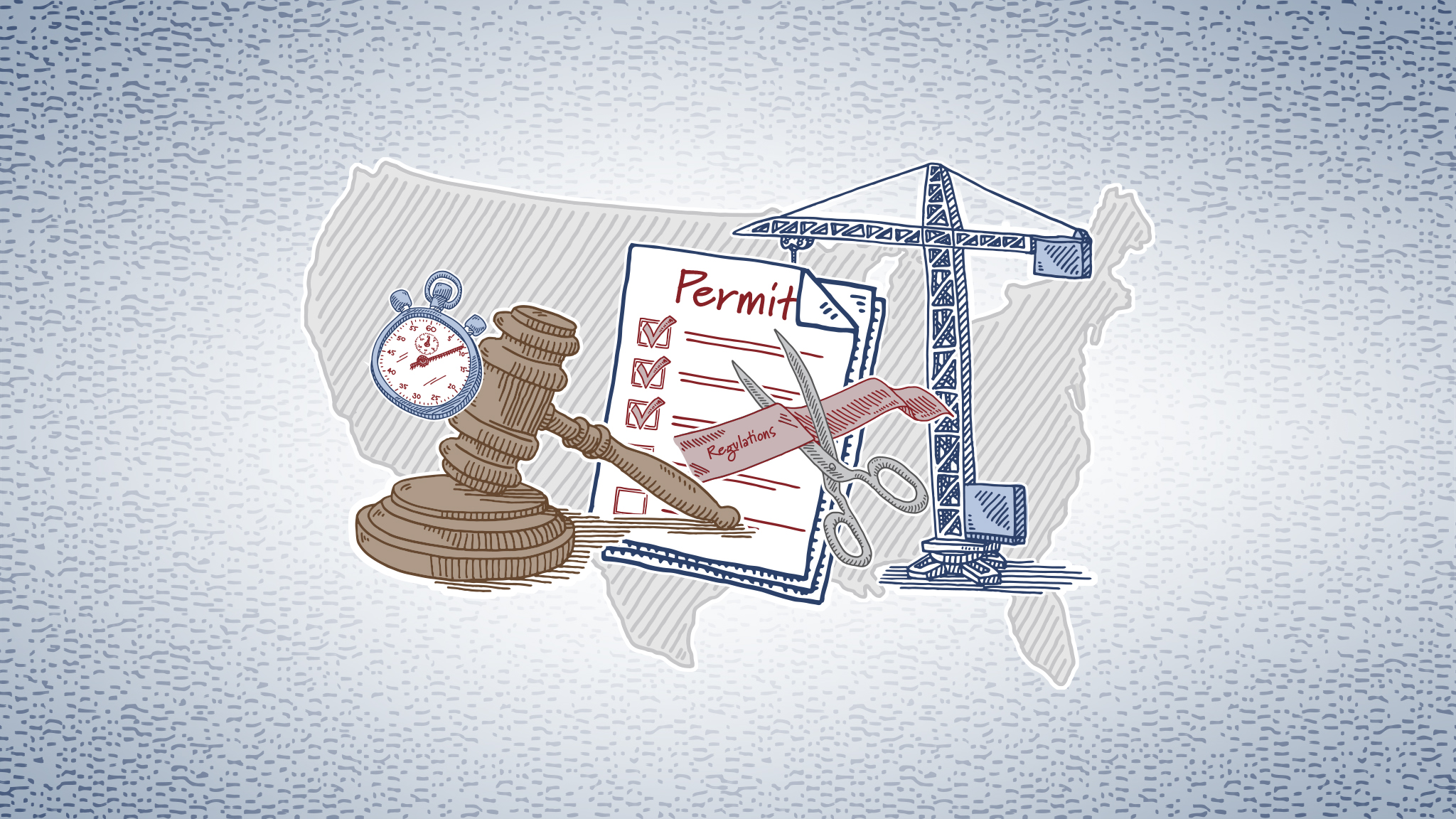
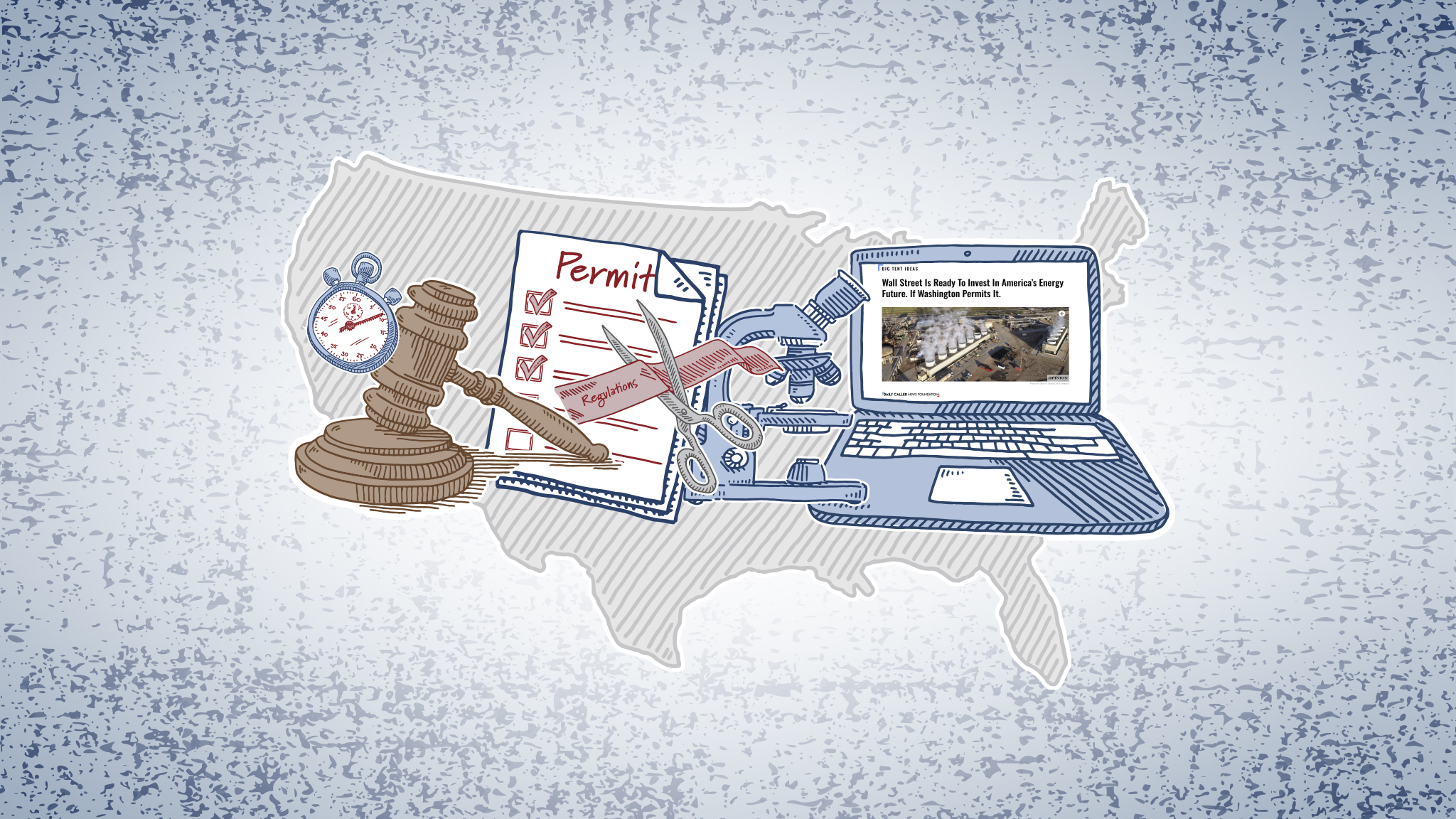
First, permitting remains the primary bottleneck. Developers pointed to slow, inconsistent timelines across federal and state processes, particularly on federal lands. While there is strong bipartisan interest in reform, policy has not kept pace with the maturity of the technology. Without faster, more predictable permitting and dedicated revenue sources to process permits, projects will continue to stall before they begin.
Second, grid interconnection is emerging as a parallel constraint. In some cases, geothermal projects can be drilled and developed faster than they can be connected to the grid. Long queue waits and transmission limitations are slowing deployment at exactly the moment when new firm power is most needed. With more than 1,600 MW of new capacity already under contract, this problem will only continue to get worse. This problem is not unique to geothermal, with interconnection queue bottlenecks increasingly becoming a limiting factor in project development, even for existing assets like the nuclear restart at Three Mile Island.
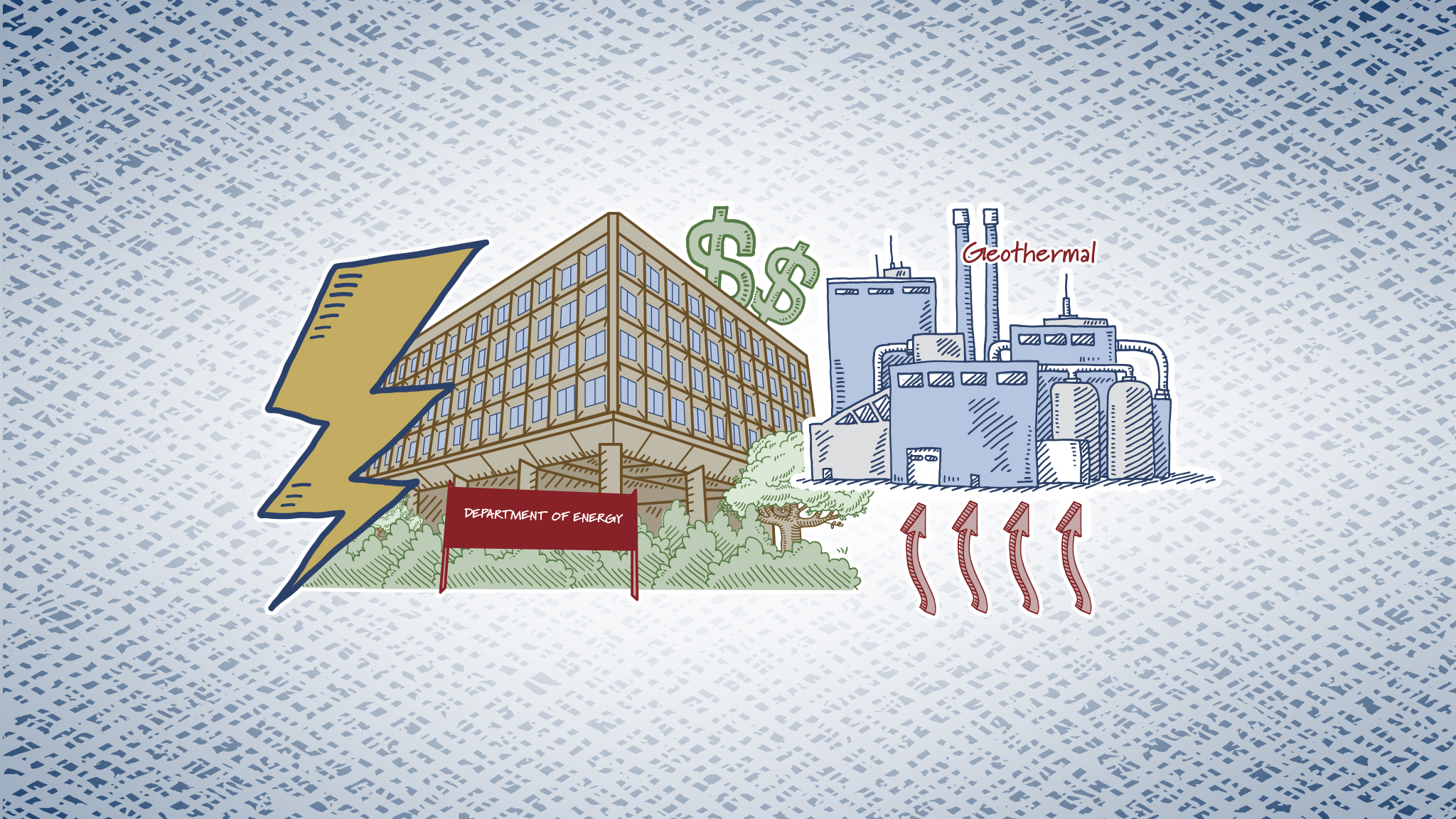
Third, and perhaps most crucial, early-stage risk remains a key factor. While capital is increasingly interested in geothermal, traditional first-of-a-kind skepticism remains. This creates an opportunity for Congress and the Department of Energy to support catalytic, non-dilutive project financing for commercial demonstration projects, finding ways to leverage innovative financing mechanisms to accelerate project deployment. In conjunction, tax credits from the Working Families Tax Cuts Act will offer durable support for geothermal projects that begin construction by 2033. To break through the current valley of death, industry needs stronger risk-sharing mechanisms to support early exploration and first well drilling, whether through public financing tools, insurance structures, or milestone-based support.
At the same time, demand signals are strengthening. Large power buyers are actively looking for clean, firm resources that can meet 24/7 load requirements. Hyperscalers have taken note as both Meta and Google have signed PPAs in recent years. Leading technology companies acknowledge this reality: geothermal is uniquely positioned to meet that need, offering reliability and scalability in a way that complements intermittent generation. What is perhaps most notable is how the narrative around geothermal has shifted, even in just the past few years, as technologies like enhanced geothermal moved from theoretical to advancing steel in the ground. While geothermal offers a zero-emissions source of energy, it is also being framed as a core energy security and competitiveness issue – and a bipartisan one at that.
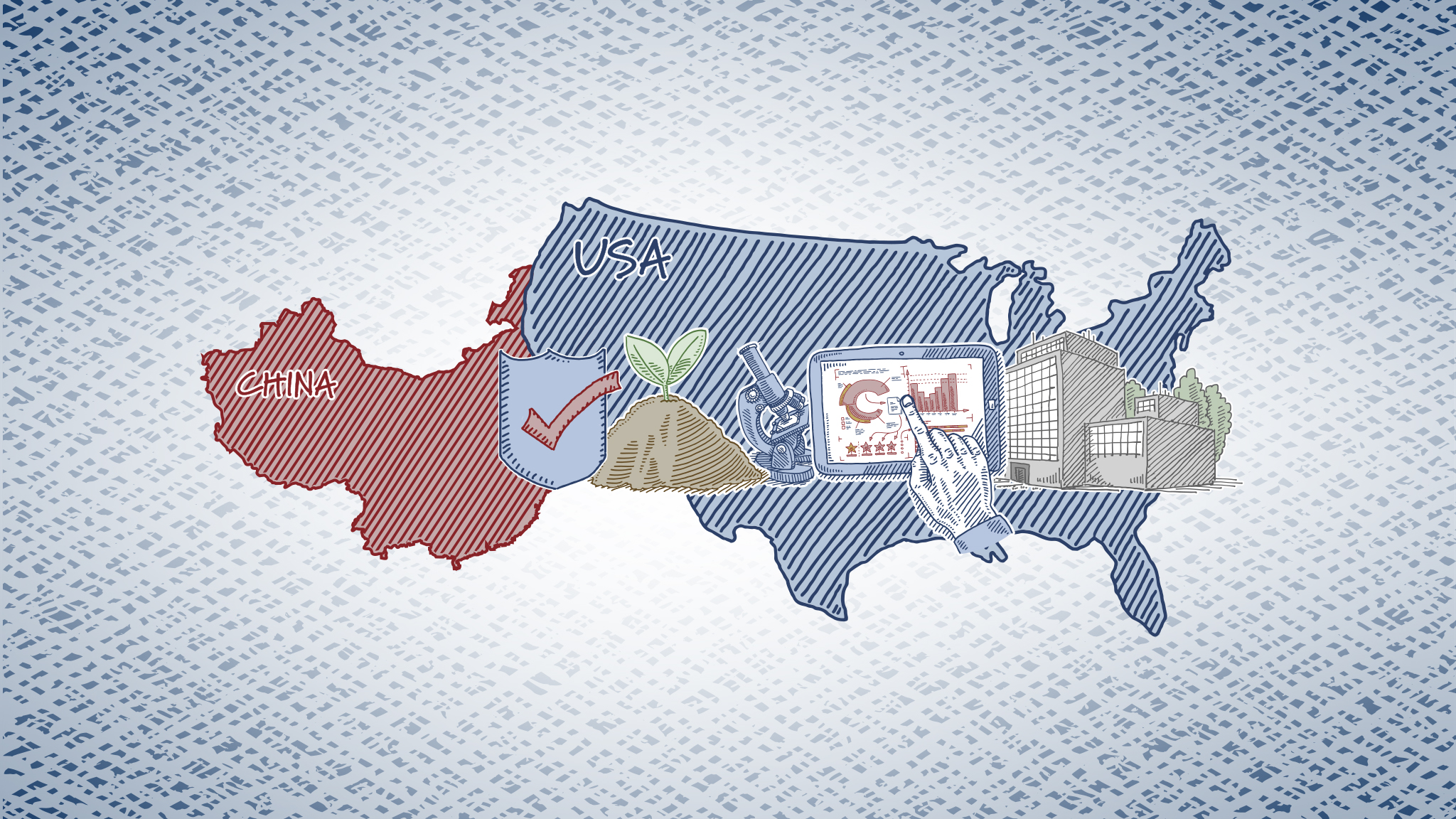
As power demand rises and global competition intensifies, the ability to deploy reliable, domestic energy at scale is becoming a strategic advantage. American entrepreneurs are ready to answer the call. Now, there is a window of opportunity for Congress to do its part. With targeted action on permitting, interconnection, and early-stage financing, the United States can fully maximize this window to usher in a global geothermal era.