Posted on April 3, 2026 by Casey Kelly
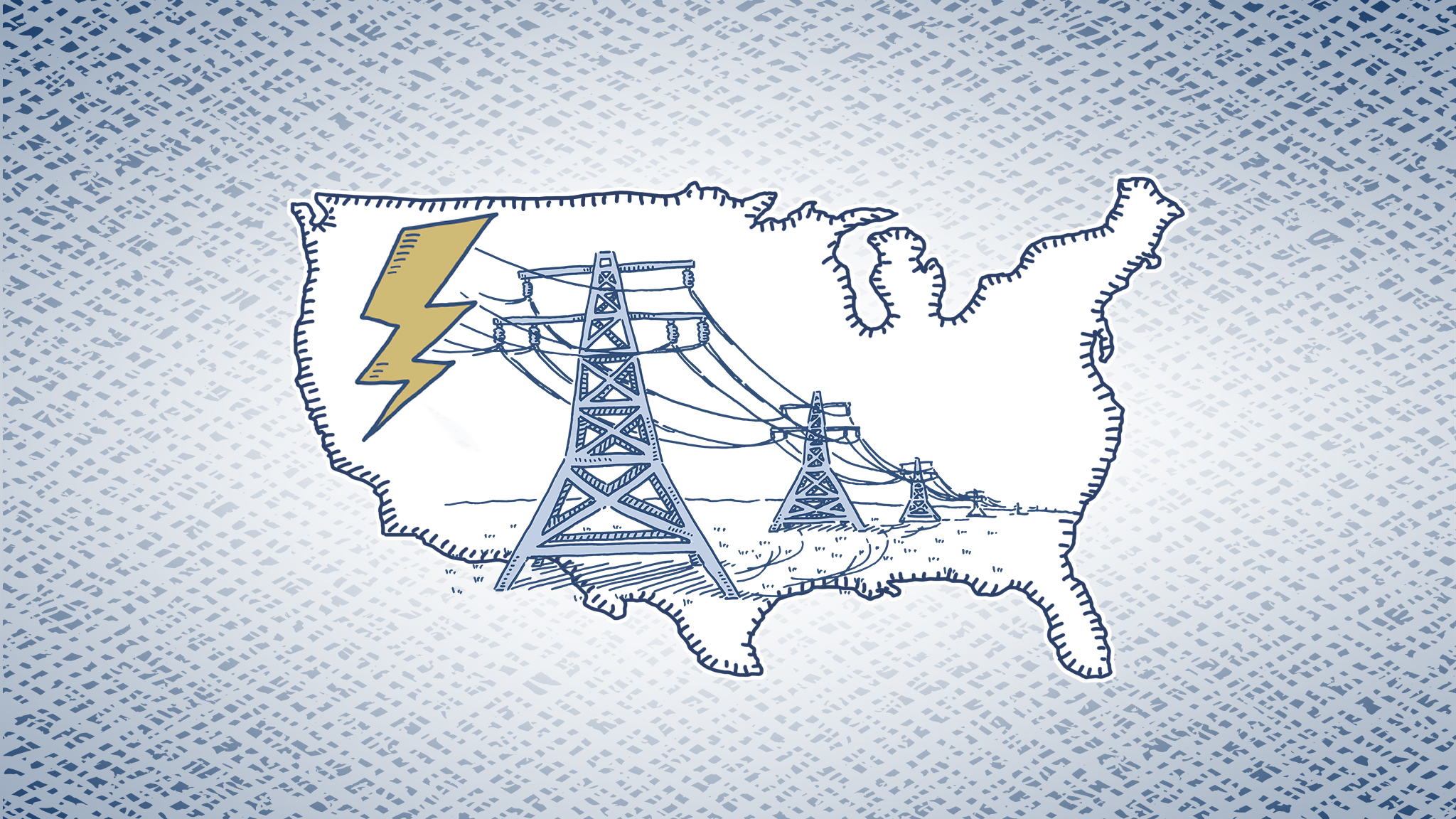
America’s electric grid is often described as the “world’s largest machine”, yet it is not operating at its full potential. However, new technologies can optimize the performance of the existing grid, creating the opportunity to deliver more power, more efficiently, using assets already in the ground. Letting American energy move with new and optimized existing transmission lines will support our growing economy, enhance grid reliability and bring affordable energy to consumers.
A new class of solutions known as Advanced Transmission Technologies (ATTs) can unlock that untapped potential. ATTs can optimize the performance of the existing grid by increasing capacity, improving efficiency and enhancing reliability. Broadly, ATTs represent four technologies: High Performance Conductors; Dynamic Line ratings; Topology Optimization Tools and Advanced Power Flow Controllers. While they are not a substitute for building new transmission, ATTs offer a critical near-term solution to help meet rising electricity demand.
The Department of Energy (DOE) took a significant step to unlock this potential by announcing the Speed to Power through Accelerated Reconductoring and other Key Advanced Transmission Technology Upgrades (SPARK) program. This initiative will provide up to $1.9 billion for ATT deployments that “expand transfer capability, strengthen reliability and resource adequacy.”
Estimated Transmission Capacity Unlocked by Selected Grid-Enhanceing Technologies
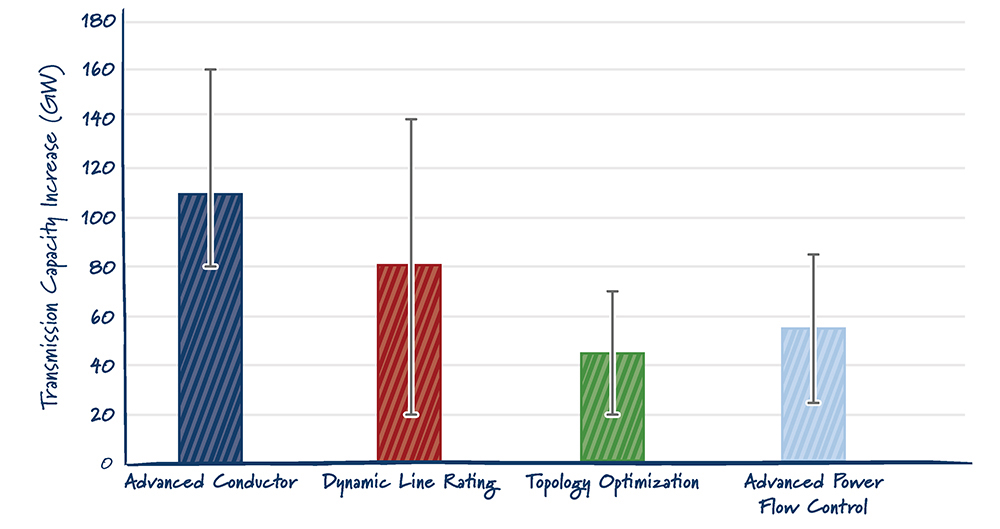
Source: ESIG (2025)
ATTs include software and hardware technologies that can be deployed in a fraction of the time and cost of conventional transmission solutions. While conventional transmission solutions, like new lines, remain essential for reliability, affordability and meeting energy demand, ATTs offer novel opportunities to meet near-term capacity needs, enhance grid reliability and resilience and keep consumer bills affordable. Below, we explore the technologies that SPARK supports, how they work and where they’ve been successfully deployed to enhance reliability and reduce costs nationwide.
As electricity demand accelerates, the United States will need to build new infrastructure and better utilize the grid we already have. Advanced transmission technologies offer a cost-effective, near-term way to do just that.
The DOE’s SPARK program positions the U.S. not only as a leader in developing these technologies but also in deploying them at scale. By supporting projects, de-risking new technologies and providing technical assistance, SPARK is helping modernize the grid in ways that enhance reliability, lower costs and strengthen American energy leadership.
Unlocking more from the existing grid is not just an efficiency gain. It is a strategic advantage.