For over a century, American farmers have kept up with the world’s growing needs by embracing innovation. Since the 1930s, national corn yields have increased from 30 to nearly 180 bushels per acre, driven by new advancements in seed genetics, fertilizers, mechanization and precision farming.
However, American investment in agriculture has declined by one-third over the last 20 years, even as China has increased spending to become the world’s largest funder of agricultural R&D.
The world population is projected to surpass nine billion by 2050, resulting in increased demand for fuel and food. The U.S. has an opportunity to maintain a competitive edge by investing in agricultural innovation like biochar, a technology that improves plant health, enhances crop yields by 16 percent, and boosts nutrient and water retention, all while reducing emissions. Beyond agriculture, biochar is utilized to improve water quality, reduce emissions from manufacturing and serve as an aggregate in concrete.
This 101 provides an overview of biochar, highlights recent research projects and presents policies that can help the U.S. continue producing, feeding the world and lowering emissions. Possible policies include:
Biochar is a highly stable carbon substance made by heating organic material, such as agricultural and forestry wastes (also called biomass), in the absence of oxygen, a process called pyrolysis. This process results in a material with applications in farming, manufacturing, construction, land management and power generation.
In 2022, the American biochar industry was estimated at $203.4 million and expected to grow at 11% annually, while the global biochar market size was estimated at $763.48 million in 2024 and is projected to reach over $2 billion by 2032. In January 2025, Google signed the largest biochar-based carbon removal deal, including a purchase of 100,000 tons from U.S.-based Charm Industrial by 2030. In 2024, the Asia-Pacific region made up 82.47% of the global market share. The U.S. can grow its share of the market cap by supporting policies like the Biochar Research Network Act and investing in biochar research at the USDA Agricultural Research Service, National Institute of Food and Agriculture, Forest Service, Department of Energy and National Science Foundation.
The benefits of biochar depend on several production factors, including the source of biomass feedstock, heating temperature and length of pyrolysis. Developing region- and use-case-specific procedures for biochar production is essential to achieving a consistent product with predictable results when applied to agricultural lands. Therefore, targeted research is needed to create these procedures.
The properties of biochar, and thus the benefits derived from biochar, can differ significantly based on the type of feedstock used and processing conditions. Based on these factors, the amount of carbon in biochar can range from 30 to 80 percent, making it a durable way to sequester carbon for up to an estimated 1000 years. A life-cycle analysis showed that for each ton of biochar produced, 2.68 tons of carbon dioxide equivalent (CO2) are durably removed from the atmosphere.
The most common way to produce biochar is through pyrolysis, which heats biomass in the absence of oxygen. There are two types: slow and fast. Slow pyrolysis favors biochar production, yielding more than 40 percent of the feedstock by weight, with a low heating rate (0.1°C-0.8°C per second) over hours. Fast pyrolysis produces lower yields of biochar, around 20%, in seconds. Kilns are the most common method used for producing biochar, used by both individuals and industrial-scale producers.
Biochar use and production are similar to preparing the perfect steak. Each person has a preference for a type of steak and a degree of doneness, just as each environment benefits from a specific type of biochar. For instance, it is well known that to achieve a medium-rare T-bone, it needs to be cooked to 135°F. However, the exact recipes for producing biochar from different feedstocks to achieve desired outcomes across varied environments are less well understood. Comparisons between preparing the perfect steak and producing biochar include:
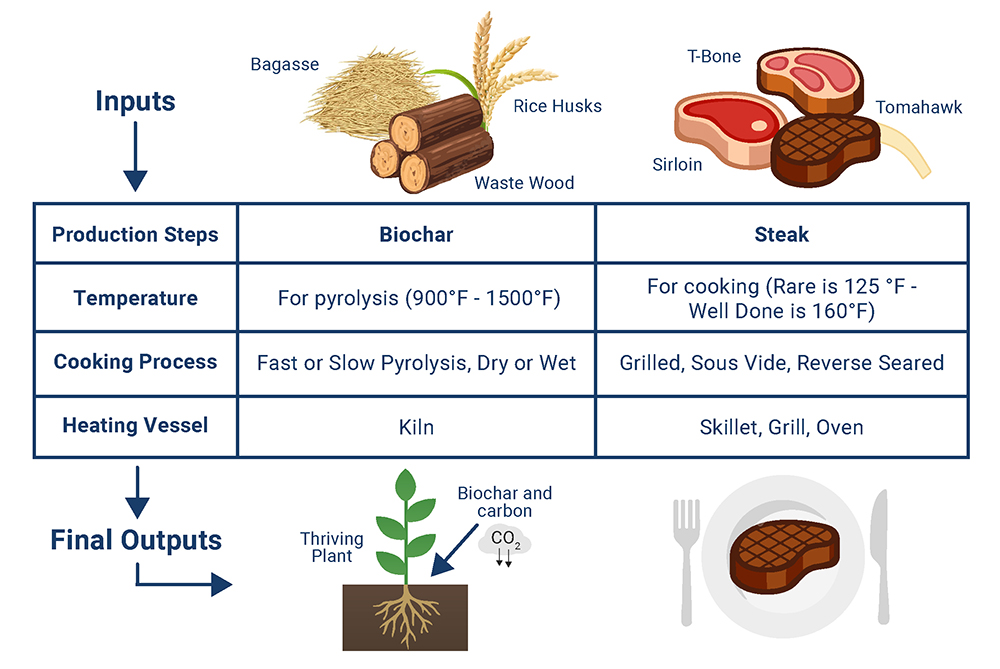
Given these production variables, targeted regional research is needed to optimize biochar production processes nationwide and answer questions like:
Biochar can be produced from almost any organic feedstock. In the United States, the most common feedstock is waste wood, followed by animal manure and litter, nut shells, row crop residues, and other biomass wastes (Figure 1). Ideal biochar feedstocks have low moisture and ash content and high carbon content. Additional characteristics, such as density, surface area, hydrocarbon content and moisture level, also influence biochar quality. Together, these properties determine the performance of the finished biochar and its suitability for different end uses.
Figure 1: Feedstocks for Biochar Production in the U.S.
Map 1 - Wood is the Primary Feedstock for Biochar and Map 2 - Non-wood Biochar Feedstocks. .
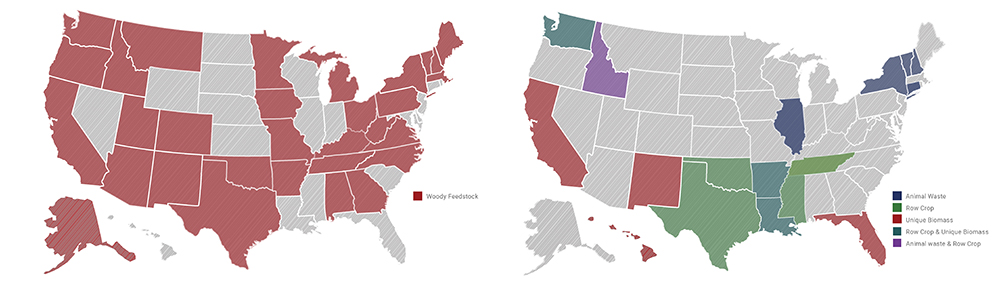
Biochar is either produced, sold or researched in all 50 states. The most common feedstock is low-value wood, a by-product of forest management practices.
Regional commodities such as bagasse, almond husks, rice hulls and bamboo are also used for biochar production.
Biochar producers, sellers, manufacturers and researchers are located in all 50 states. Companies like KC Biochar in Kansas City, Missouri, Ashwood BioChar in Lexington, Kentucky and Standard Biocarbon in Portland, Maine, utilize wood as their feedstock of choice.
Biochar companies are also utilizing locally available feedstocks or developing innovative technologies to create biochar.
EDF provides debt financing for large-scale (typically $100M+) energy projects that are commercially ready with high technology risk, not R&D pilot projects or run-of-the-mill, nth-of-a-kind infrastructure. While projects that are earlier in their commercial journeys have other DOE funding levers available, EDF welcomes financing applications from energy tech manufacturers, critical minerals developers, regulated utilities, public power entities, independent power producers and others.
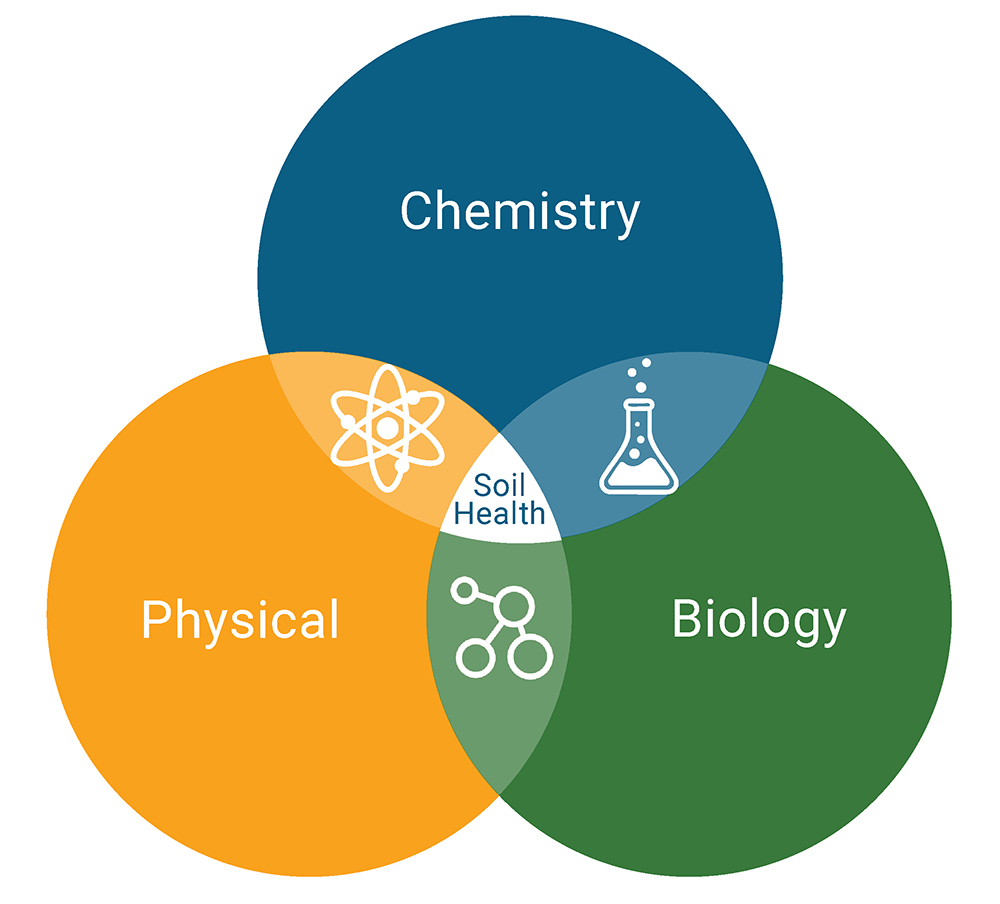
Soil health is the bedrock of agricultural productivity throughout every crop cycle. The three interconnected indicators for healthy soils include:
Biochar’s physical and chemical properties allow it to enhance crop yields by 16% and improve agricultural soils by holding on to water and nutrients like nitrogen and phosphorus. The large surface area of biochar also creates the perfect environment for microbes and fungi to support plant growth. Biochar has also been shown to reduce soil pH, reducing the need for lime.
Water QualityBiochar offers significant potential for water management by improving the water-holding capacity of soils, particularly in coarse sandy soils or degraded landscapes, while also enhancing infiltration and reducing runoff. Biochar is emerging as an affordable method for water purification, capable of filtering contaminants and improving water quality. With continued research and development, this avenue could lead to scalable solutions for drought resilience, stormwater management and decentralized clean water systems.
ManufacturingBeyond agriculture, biochar is also being used in construction materials and large-scale industrial manufacturing. Incorporating biochar into concrete enables long-term carbon sequestration while enhancing the material’s desired traits, such as enhanced durability, reduced drying shrinkage and improved resistance to cracking. Promising research on utilizing biochar in industry is being conducted across the U.S., including by companies such as DTE Materials, which are developing ready-mix concrete, drywall alternatives and insulated concrete forms using biochar. Companies like Amazon, Meta and Prologis, among others, have founded the Sustainable Concrete Buyers Alliance to support low-carbon concrete production and could leverage their collective purchasing power for biochar in concrete. Additionally, biochar asphalt in standard road paving is being researched at the University of Illinois and Washington State University.
Biochar research encompasses generating region-specific data on the impacts of different types of biochar on soil health and plant growth under varied environmental conditions. This research is essential for identifying the best feedstocks, refining production methods and optimizing end uses. Innovative biochar research is conducted across the U.S. See Appendix Table A1. Some examples include:
Federal policy can play an important role in accelerating American biochar innovation to support farmers, rural economies and U.S. agricultural leadership.
Policy levers include: