As America celebrates its 250th Anniversary, we stand at an energy crossroads. We are locked in the most consequential technological competition of our lifetime—the race to dominate artificial intelligence and the advanced technologies that will define the 21st century. But this race cannot be won without a fundamental truth: whoever controls the world's energy future controls the global economy.
America has something no one can replicate: our unparalleled tradition of innovation. From Thomas Edison’s electric power system, to the Manhattan Project that launched the nuclear age, to the hydraulic fracturing revolution that transformed global energy markets, America has consistently led the world in breakthrough energy technologies.
Join ClearPath as we take you through America’s remarkable history of energy innovation and the amazing advancements that have fueled the strongest economy in the world.
1802
Starting the Engines
The first high-pressure steam engine was developed by Richard Trevithick, who patented a "high pressure engine" in 1802. Trevithick's engine led to the creation of the first steam locomotive, a precursor to modern railroads.
1821
Lighting the Fire
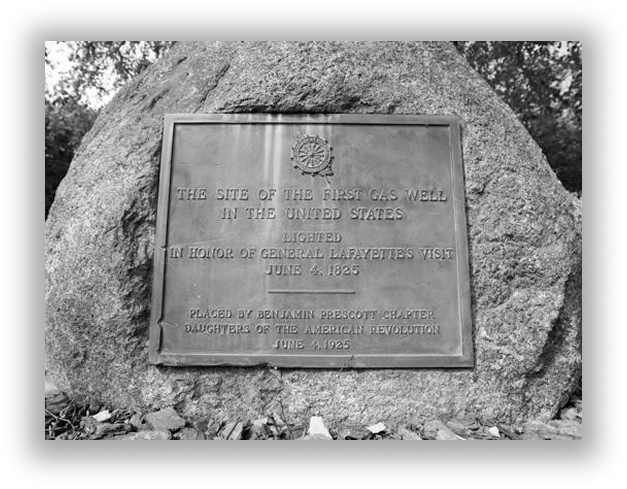
In 1821, William Hart dug the first successful natural gas well in the U.S. in Fredonia, New York. Eventually, the Fredonia Gas Light Company was formed, becoming the first American natural gas distribution company.
1879
Turning on the Lights
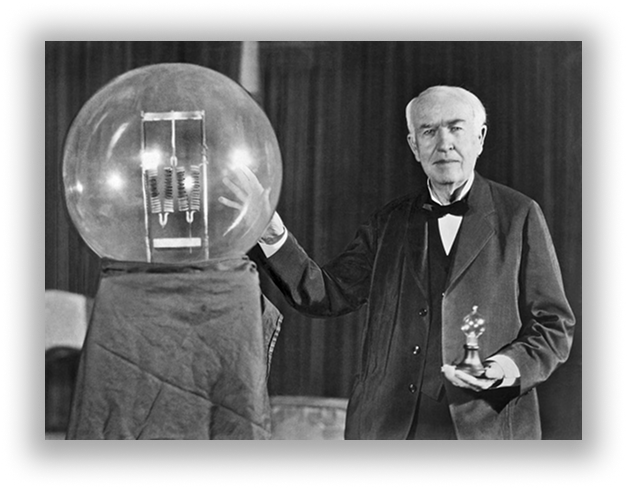
On November 4, 1879, Thomas Edison filed for U.S. patent 223,898 (granted on January 27, 1880) for an electric lamp using "a carbon filament or strip coiled and connected to platina contact wires".
1882
Turning on the Turbines
The first hydroelectric power plant to sell electricity was built in Appleton, Wisconsin, in 1882. Located on the Fox River, the plant began operating on September 30, 1882, and is considered the first to serve a commercial customer.
1897
Turning on the Power
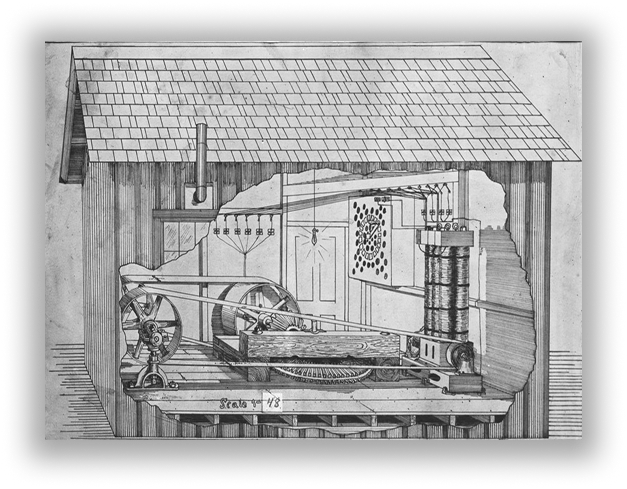
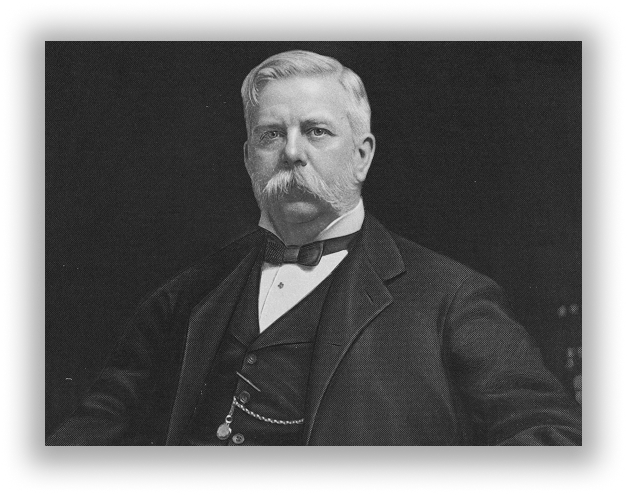
George Westinghouse’s company built and shipped its first steam turbine. In 1897, Westinghouse built a 120 kW turbine for Nichols Chemical Co.
1899
First U.S. Gas Turbine
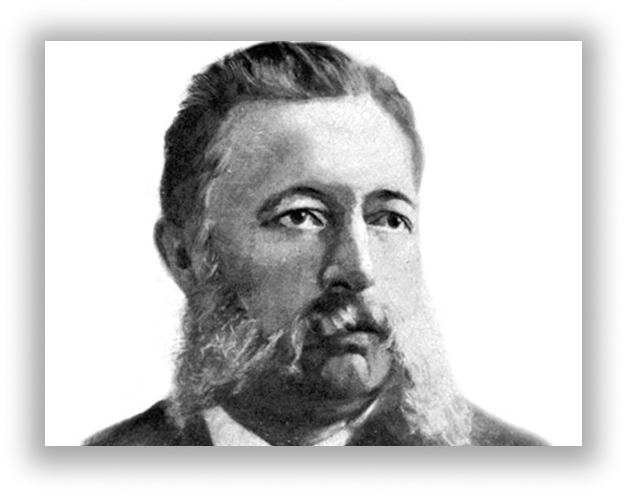
In 1899, Charles Gordon Curtis developed the first functioning gas turbine in the United States. To this end, Curtis received the annual award of the gas turbine Division of ASME in 1948 and the Holley Medal of ASME in 1950.
1914
Going High-Voltage
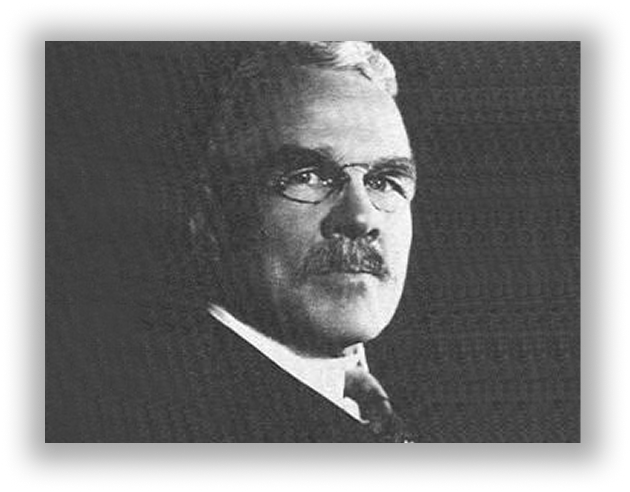
Augustus Jesse Bowie Jr. developed large-capacity electrical switches and disconnecting switches. His innovations made the safe transmission of high-voltage electricity over long distances possible.
1917
Cooling Down LNG
William Franklin conducted one of the first recorded experiments with Liquefied Natural Gas (LNG) in the United States, successfully liquefying natural gas by cooling it to -162°C (-260°F).
1922
Things Are Heating Up
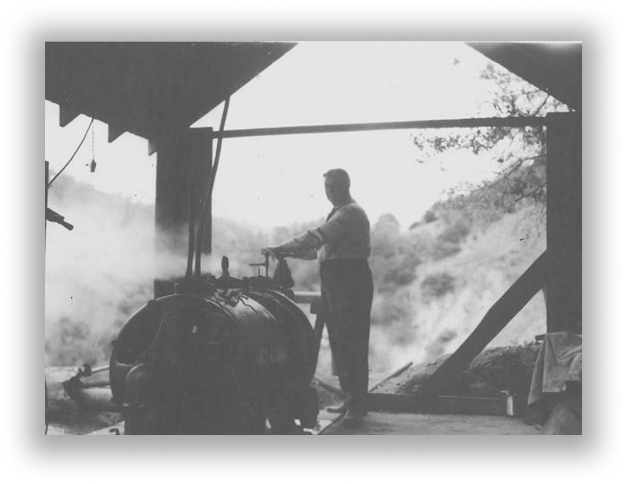
John D. Grant successfully harnessed geothermal steam at The Geysers in the early 1920s, drilling successful wells in 1922 and establishing the U.S.' first geothermal experimental power plant.
1934
Creating The Reaction
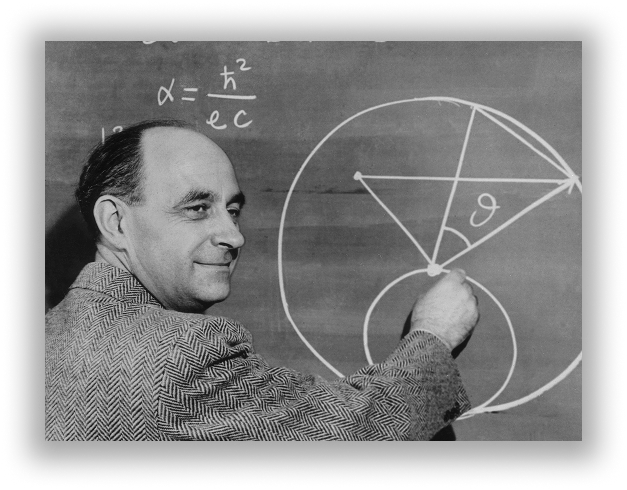
Enrico Fermi (U.S. immigrant from Italy) irradiated uranium with neutrons, achieving a nuclear reaction. He won the Nobel Prize in Physics in 1938.
1947
Breaking Things Up
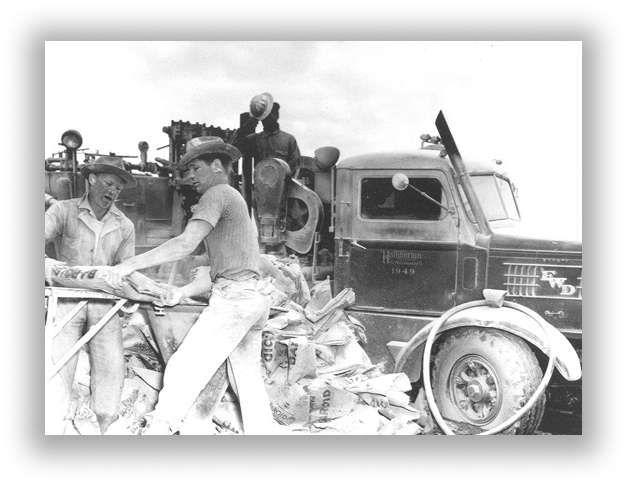
The first experimental hydraulic fracturing treatment was performed by Stanolind Oil & Gas (later Amoco) in Kansas. The first commercial application and subsequent early widespread use were licensed to Halliburton.
1957
Building Clean Power
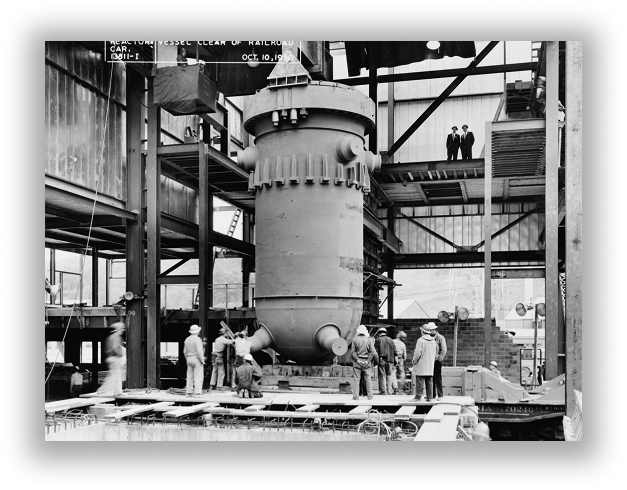
Westinghouse's Shippingport Atomic Power Station was the first full-scale U.S. commercial nuclear power plant online. This was a major breakthrough for the civilian nuclear energy industry.
1960’s
TRISO Power
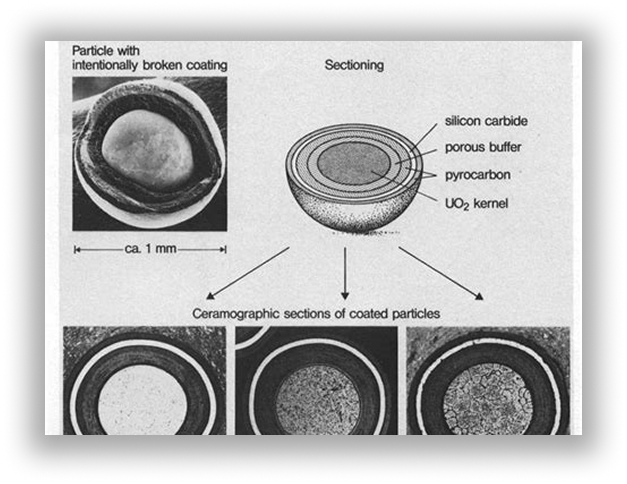
The coated fuel pellet, developed for High-Temperature Gas Reactors (HTGRs), supports enhanced nuclear safety measures and is now central to advanced SMR designs promoting baseload power.
1999
Capturing Air
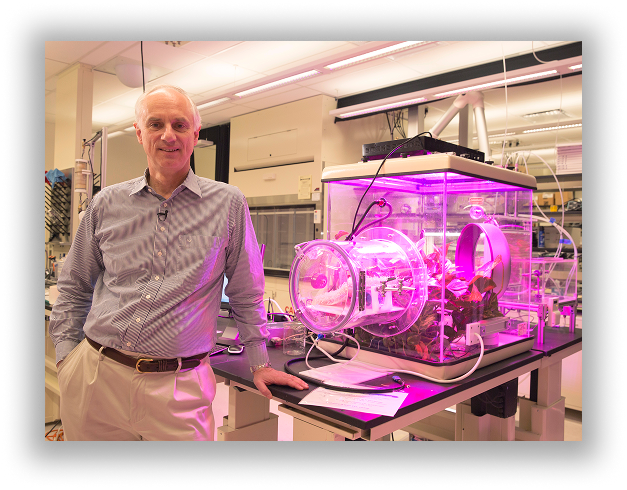
In 1999, Klaus Lackner, a chemical engineer at Arizona State University, was recognized as the first to suggest that capturing carbon dioxide directly from air — in a process known as direct air capture.
2022
Fusion Breakthrough
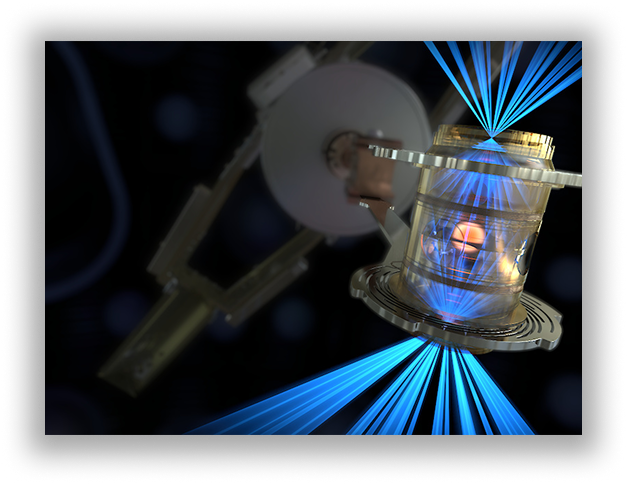
The Lawrence Livermore National Laboratory achieved the first-ever fusion ignition at its National Ignition Facility (NIF). This breakthrough in inertial confinement fusion produced more energy from the reaction than the energy delivered to the fuel, representing a revolutionary advance in clean energy technology
250 Years of American Energy Innovation
As America celebrates its 250th Anniversary, we stand at an energy crossroads. We are locked in the most consequential technological competition of our lifetime—the race to dominate artificial intelligence and the advanced technologies that will define the 21st century. But this race cannot be won without a fundamental truth: whoever controls the world's energy future controls the global economy.
America has something no one can replicate: our unparalleled tradition of innovation. From Thomas Edison’s electric power system, to the Manhattan Project that launched the nuclear age, to the hydraulic fracturing revolution that transformed global energy markets, America has consistently led the world in breakthrough energy technologies.
Join ClearPath as we take you through America’s remarkable history of energy innovation and the amazing advancements that have fueled the strongest economy in the world.
1802
Starting the Engines
The first high-pressure steam engine was developed by Richard Trevithick, who patented a "high pressure engine" in 1802. Trevithick's engine led to the creation of the first steam locomotive, a precursor to modern railroads.
1821
Lighting the Fire
In 1821, William Hart dug the first successful natural gas well in the U.S. in Fredonia, New York. Eventually, the Fredonia Gas Light Company was formed, becoming the first American natural gas distribution company.
1879
Turning on the Lights
On November 4, 1879, Thomas Edison filed for U.S. patent 223,898 (granted on January 27, 1880) for an electric lamp using "a carbon filament or strip coiled and connected to platina contact wires".
1882
Turning on the Turbines
The first hydroelectric power plant to sell electricity was built in Appleton, Wisconsin, in 1882. Located on the Fox River, the plant began operating on September 30, 1882, and is considered the first to serve a commercial customer.
1897
Turning on the Power
George Westinghouse’s company built and shipped its first steam turbine. In 1897, Westinghouse built a 120 kW turbine for Nichols Chemical Co.
1899
First U.S. Gas Turbine
In 1899, Charles Gordon Curtis developed the first functioning gas turbine in the United States. To this end, Curtis received the annual award of the gas turbine Division of ASME in 1948 and the Holley Medal of ASME in 1950.
1914
Going High-Voltage
Augustus Jesse Bowie Jr. developed large-capacity electrical switches and disconnecting switches. His innovations made the safe transmission of high-voltage electricity over long distances possible.
1917
Cooling Down LNG
William Franklin conducted one of the first recorded experiments with Liquefied Natural Gas (LNG) in the United States, successfully liquefying natural gas by cooling it to -162°C (-260°F).
1922
Things Are Heating Up
John D. Grant successfully harnessed geothermal steam at The Geysers in the early 1920s, drilling successful wells in 1922 and establishing the U.S.' first geothermal experimental power plant.
1934
Creating The Reaction
Enrico Fermi (U.S. immigrant from Italy) irradiated uranium with neutrons, achieving a nuclear reaction. He won the Nobel Prize in Physics in 1938.
1947
Breaking Things Up
The first experimental hydraulic fracturing treatment was performed by Stanolind Oil & Gas (later Amoco) in Kansas. The first commercial application and subsequent early widespread use were licensed to Halliburton.
1957
Building Clean Power
Westinghouse's Shippingport Atomic Power Station was the first full-scale U.S. commercial nuclear power plant online. This was a major breakthrough for the civilian nuclear energy industry.
1960’s
TRISO Power
The coated fuel pellet, developed for High-Temperature Gas Reactors (HTGRs), supports enhanced nuclear safety measures and is now central to advanced SMR designs promoting baseload power.
1999
Capturing Air
In 1999, Klaus Lackner, a chemical engineer at Arizona State University, was recognized as the first to suggest that capturing carbon dioxide directly from air — in a process known as direct air capture.
2022
Fusion Breakthrough
The Lawrence Livermore National Laboratory achieved the first-ever fusion ignition at its National Ignition Facility (NIF). This breakthrough in inertial confinement fusion produced more energy from the reaction than the energy delivered to the fuel, representing a revolutionary advance in clean energy technology
The Clear Path Ahead
We must recommit to what made America great—leading through markets over mandates, innovation over regulation. President Trump's vision of quadrupling U.S. nuclear energy to 400 GW by 2050 isn't just ambitious; it's essential for winning the AI race. Next-generation reactors are smaller, easier to build, and cost-effective. The 2032 timeline for energy credits can help us achieve 10 new large reactors under construction by 2030, putting us on track to meet this transformational goal.
Federal research and development, combined with strategic tax incentives, must fuel the next generation of American energy innovation. When we invest in breakthrough technologies—from advanced nuclear to cutting-edge storage solutions—we ensure that tomorrow's energy revolution will be stamped "Made in America."
For a full list of breakthrough technologies, click here.
CLEARPATH
For Information
300 New Jersey Ave, NW, Suite 800, Washington, DC 20001